How To Store Dehydrated Food
This is how to store dehydrated food. Dehydrated food storage plays a big part in keeping dried fruits, vegetables, and herbs ready for everyday use. It is all about keeping flavor, texture, and color in a good place after the drying stage is done. The way these foods are kept can make a big difference in how long they stay ok to use. It is such a nice way to keep homegrown or store bought produce useful long after harvest time.
If you have ever spent an afternoon filling trays with fruit or herbs, you know that little feeling when everything cools and gets packed away. Proper storage makes a big difference in how long dehydrated food stays useful without spoiling. If it is kept in sealed containers in a dry space, the food holds its quality and is easier to use later on. Without the right storage, dried foods can lose flavor or change in texture faster than expected. In my own kitchen, I notice that clearly labeled jars and tight containers help keep everything organized and ready when I need them.
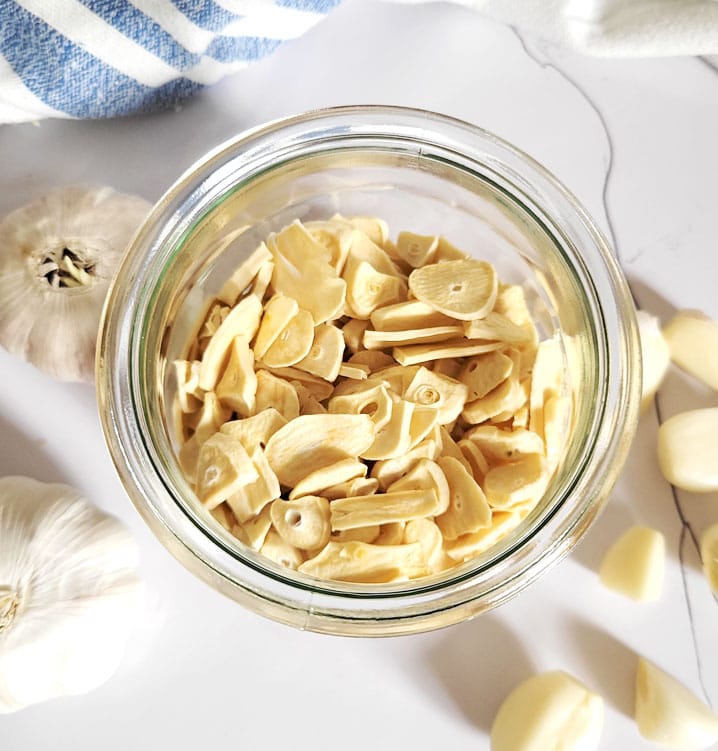
How To Store Dehydrated Food
Once food is fully dried, there are a few simple storage choices that help keep it ready for everyday use. Each option works a little differently depending on how much space you have and what you like to keep in your kitchen. From jars to sealed bags, the goal is to keep dried fruits, vegetables, and herbs in good condition for later use. Here are some easy ways to store dehydrated food at home.
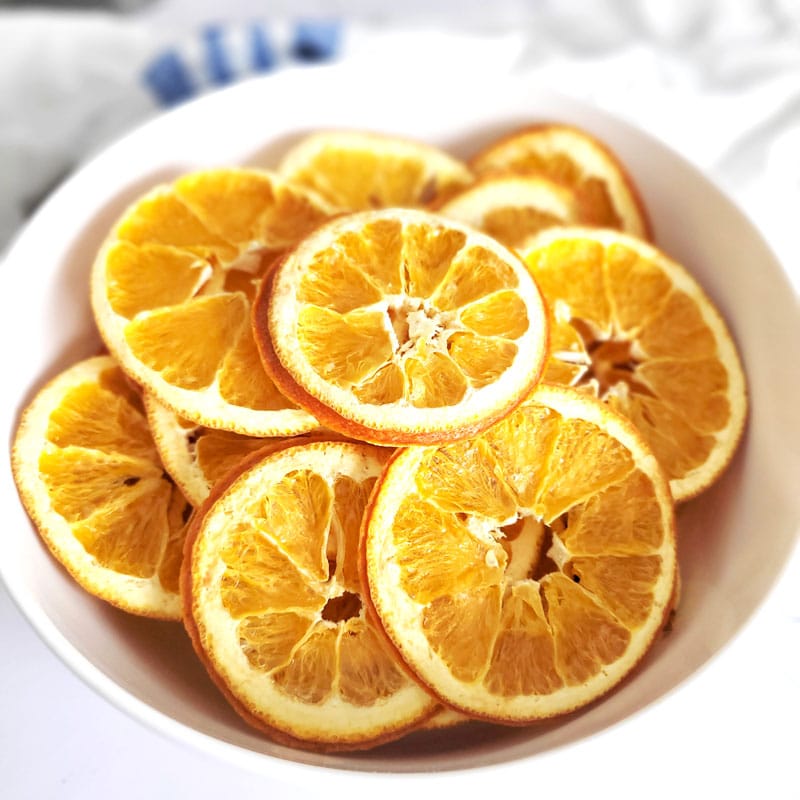
1. Mason Jars With Lids
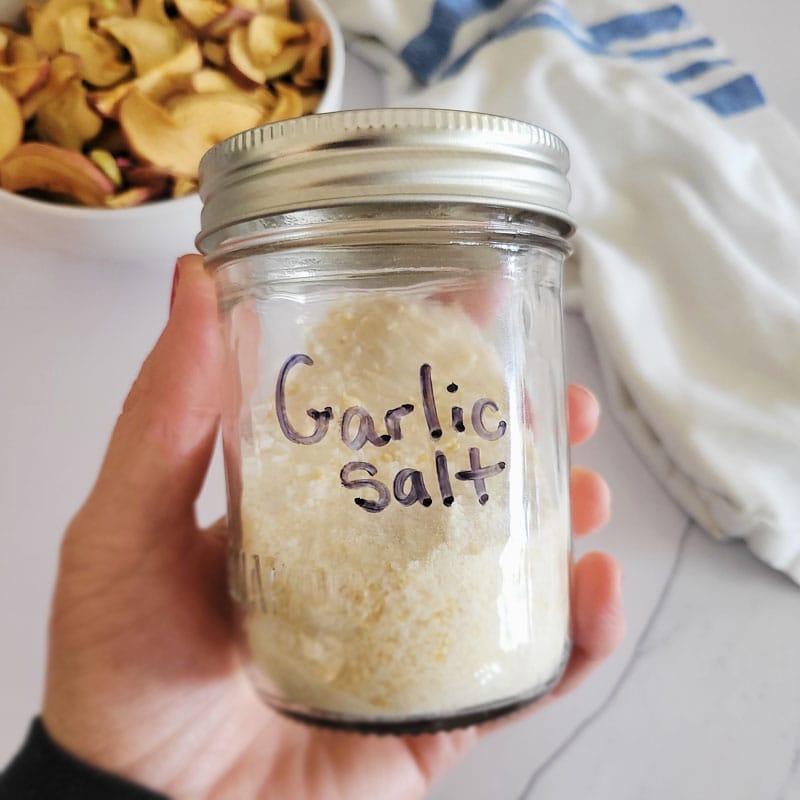
Mason jars are a great way to store dehydrated food because they seal tightly and keep air out. Glass helps you see what is inside, which makes it easy to see what’s inside. They work well for pantry storage as long as the lids are fully closed after each use. The main benefit of mason jars is the tight seal. It helps keep air and moisture away from dried food, which helps the food stay in good condition longer. I usually store all of my dried herbs and homemade seasonings this way.
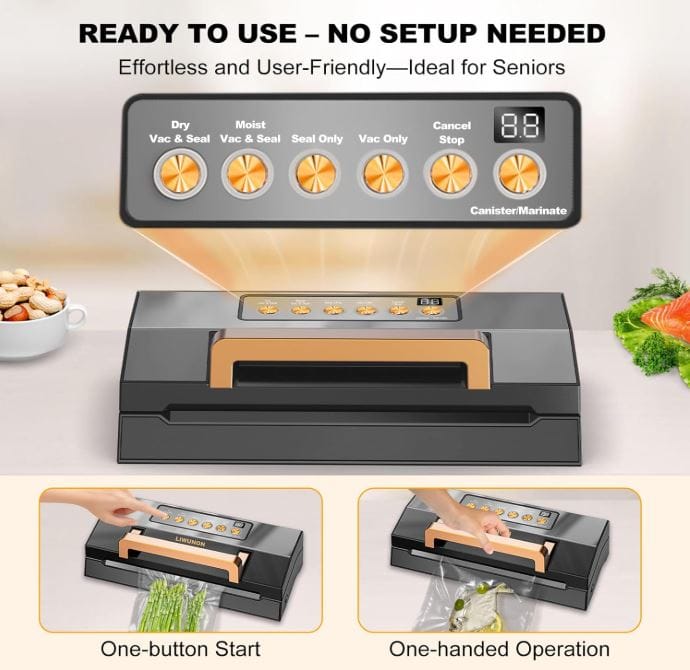
2. Vacuum Sealing Dehydrated Food
Vacuum sealed bags remove most of the air around dehydrated food, which helps keep dried fruits, vegetables, and herbs in good condition for longer storage. With less air inside, foods are less likely to lose flavor or change texture too quickly. This vacuum sealer by Liwunon is fantastic when you have larger batches. It works well for items like dried apples, berries, carrots, and herbs that you want to keep on hand for later use.
3. Mylar Bags For Dried Food
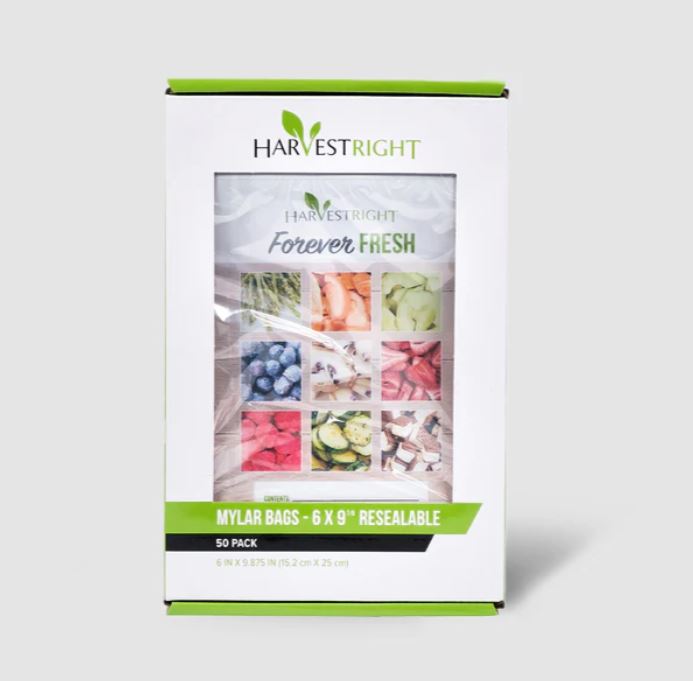
Mylar bags from Harvest Right are a good way for storing dehydrated food because they block light and help keep air out when sealed well. This helps dried fruits, vegetables, and herbs hold their flavor and texture for longer pantry storage. Many people use them for larger batches since they are flexible and easy to stack in storage bins. Adding a label with the food name and date makes it simple to keep track of what is inside.
4. Glass Jars With Rubber Seals
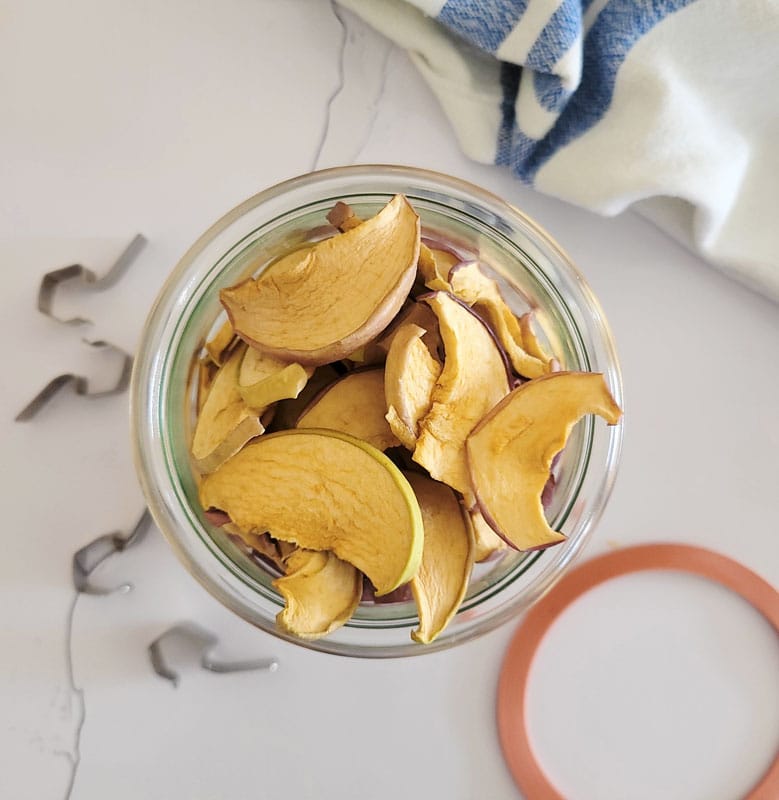
Glass jars with rubber seals close tightly to help keep dehydrated food in good condition after drying. The rubber ring helps limit air getting inside, which supports steady flavor and texture in dried fruits, vegetables, and herbs. Right now I’m using Weck jars quite a bit. They work well for pantry shelves where items are used often and need quick access, and then I can also make overnight oats in them too.
5. Resealable Zip Bags
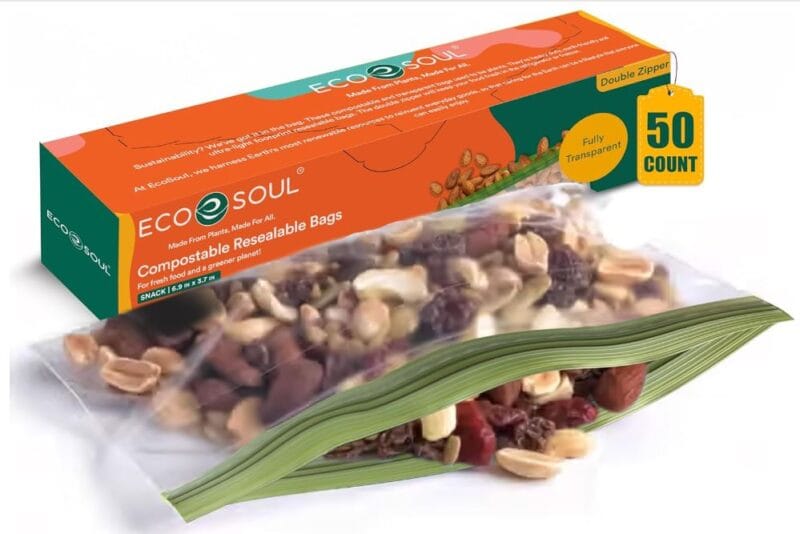
Eco Soul resealable zip bags are a quick and simple way to store small amounts of dehydrated food. They close tightly to help keep air away from dried fruits, vegetables, and herbs. These bags are lightweight and easy to tuck into drawers, pantry bins, or lunch prep spaces. They also make it easy to portion out snacks or cooking add ins ahead of time. I like to store fruit leather in bags like this and then label them with the date.
6. Glass Containers With Lids
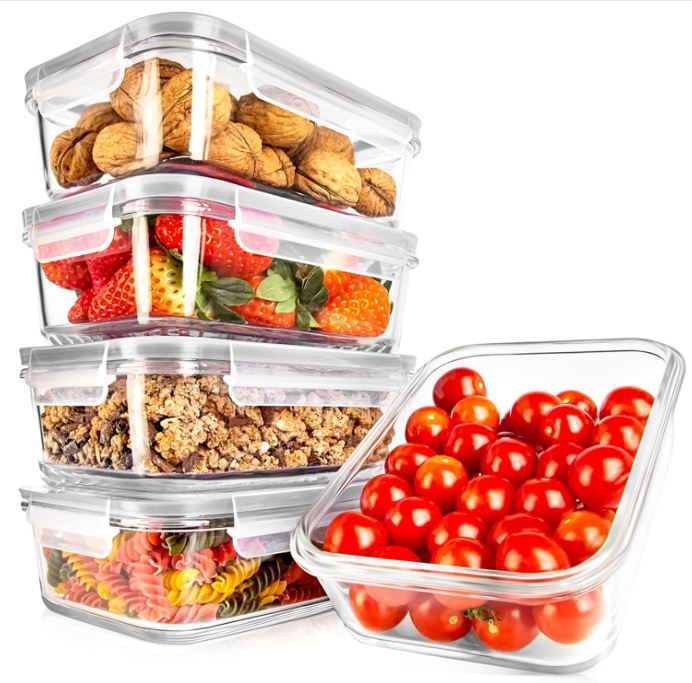
Glass containers with lids like these ones from NutriChef are a reliable way to store dehydrated food on pantry shelves. The tight fitting lids help keep air out, which supports steady flavor and texture in dried fruits, vegetables, and herbs. Clear glass makes it easy to see what is inside so you can grab ingredients quickly for snacks or cooking. NutriChef also has different sizes, which makes it simple to store both small and larger batches.
7. Oxygen absorbers
Oxygen absorbers are small packets that help remove leftover oxygen inside sealed containers used for dehydrated food storage. When oxygen levels are lower, dried fruits, vegetables, and herbs hold their flavor, color, and texture in a more steady way while sitting in the pantry. They are used with mylar bags, mason jars, or other airtight containers that stay sealed for longer periods. I would not use these for things that you are constantly opening though.
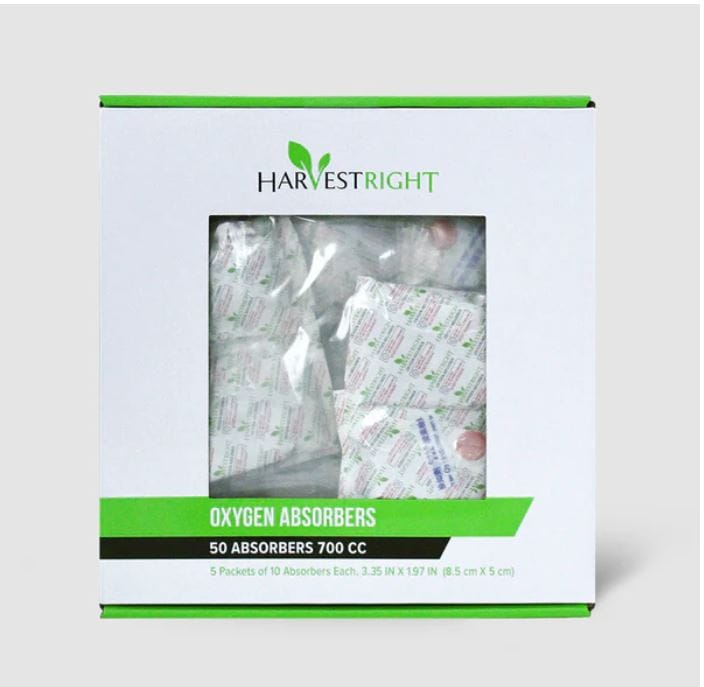
They are especially helpful when storing larger amounts of dehydrated food that will not be opened often. Many people use them when preparing food from the garden or seasonal fruit in bigger batches. Each packet is sized for a certain amount of space, so matching it to the container helps it work well. Once sealed, the container can be labeled with the food name and date so it stays easy to track in the pantry.
Tips For Storing Dehydrated Food
Make sure dehydrated food is fully dry before it goes into storage. Any leftover moisture inside fruits, vegetables, or herbs can lead to mold while it sits in the pantry. Pieces should feel dry all the way through, with no soft or damp spots when broken open or squeezed lightly.
Condition your food before storing it. Conditioning dehydrated food is done by placing cooled pieces into a sealed container and shaking or turning it once or twice a day for about a week. This helps any hidden moisture spread evenly so you can spot it early. If condensation shows up on the inside of the container, the food needs more drying time before long term storage.
Keep dehydrated food in a dry space away from steam and heat so fruits, vegetables, and herbs stay in good condition on the shelf. Choose containers that match the amount you made so there is less empty space inside each one. Let food cool fully before storing so moisture does not get trapped inside.
FAQ For Storing Dehydrated Food
How long does dehydrated food last?
Dehydrated food can last a long time when it is stored in a dry, sealed container away from heat and light. Fruits and vegetables often stay in good condition for several months to over a year depending on how dry they are. Herbs usually stay usable even longer since they contain less moisture to begin with.
Do I need to refrigerate dehydrated food?
Refrigeration is not needed for most dehydrated foods as long as they are fully dry and stored in airtight containers. Pantry storage works well for fruits, vegetables, and herbs that are kept away from moisture. The key is keeping them sealed so outside air and humidity do not affect them.
How do I know if dehydrated food has gone bad?
Signs of spoilage include a change in smell, visible mold, or a soft or sticky texture that was not there before storage. Properly dried food should stay dry and separate inside the container. If anything looks or feels off, it is best not to use it.
Can I mix different dehydrated foods in one container?
Mixing different dehydrated foods is possible if they have similar dryness levels and are meant to be used together. Many people combine fruits for snack blends or herbs for cooking mixes. It helps to make sure everything is fully dry so no extra moisture is introduced into the container.
Thanks for reading. I hope you found this helpful and feel more confident storing dehydrated food in a way that keeps it ready for your kitchen. It is always nice having dried fruits, vegetables, and herbs close by for simple meals and snacks. I am glad you stopped by today and spent a little time here with me.
Dehydrator Recipes
- How to dehydrate garlic
- Dehydrated limes recipe
- How to dehydrate oranges
- Dehydrating apples guide
- DIY garlic salt recipe
- How to dehydrate strawberries