Brown Butter Sage Sauce
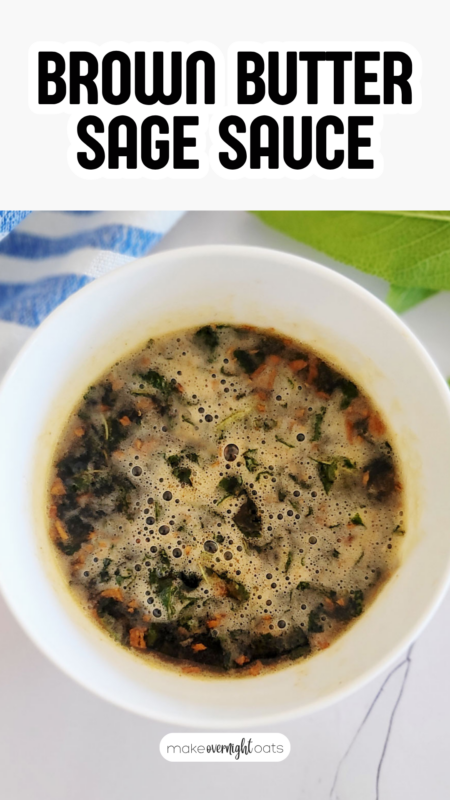
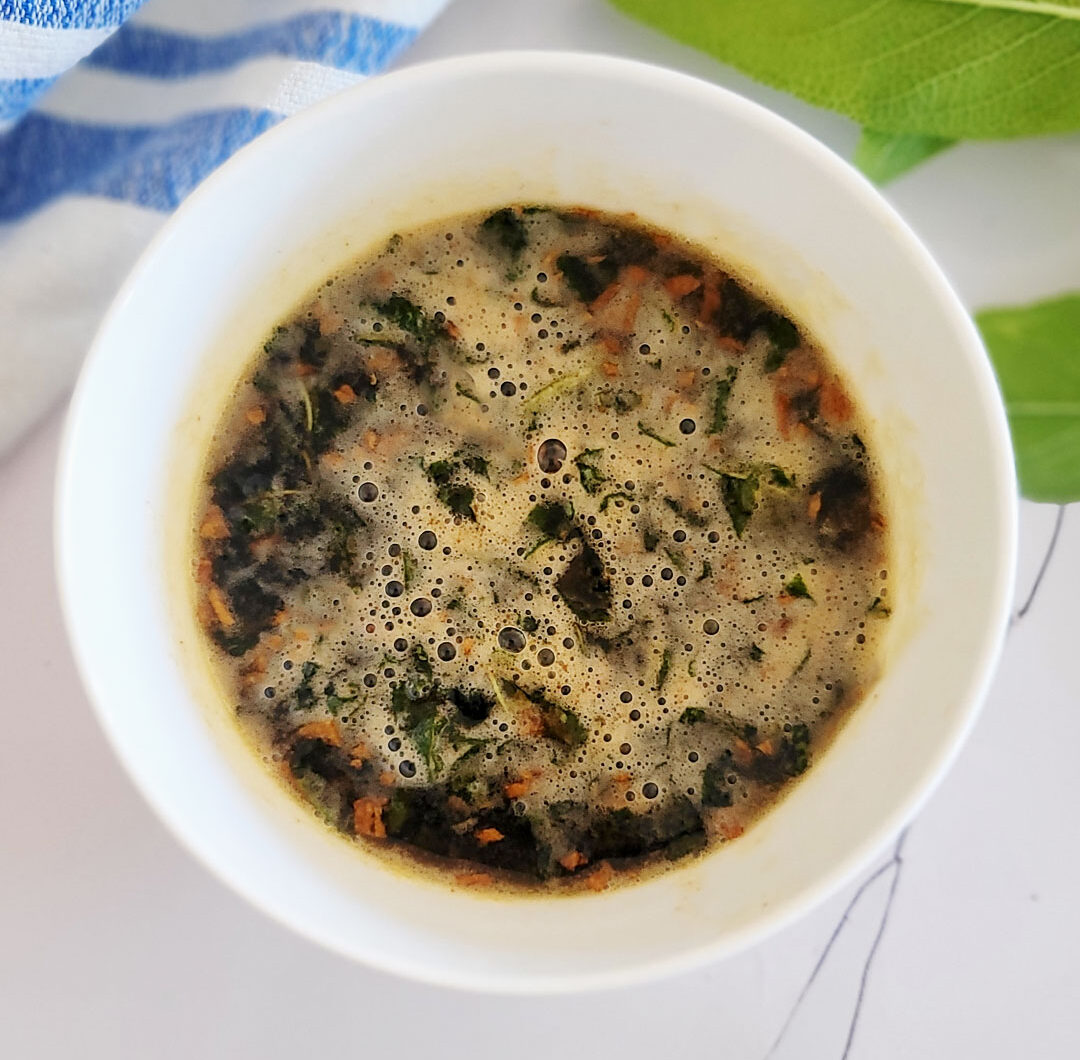
This is how to make brown butter sage sauce that turns a few simple ingredients into a rich sauce with nutty flavor and fresh herbal notes. Butter is cooked until the milk solids become golden brown, creating the signature toasted taste that makes this sauce so popular. Fresh sage leaves are added to infuse the butter and become lightly crisp. Brown butter sage sauce pairs well with pasta, gnocchi, ravioli, roasted vegetables, and potato dishes.
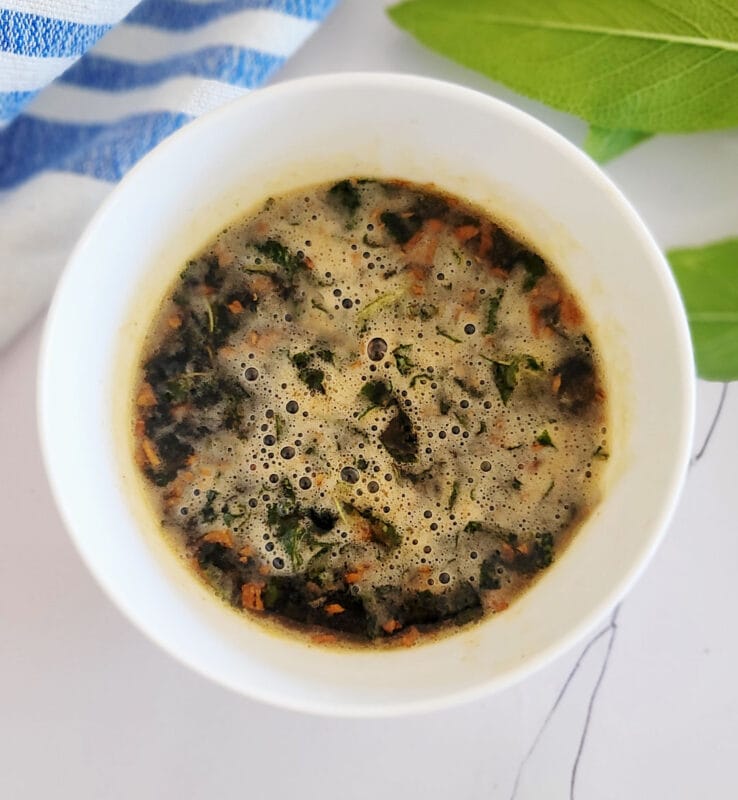
I love making this sauce because it takes only a few minutes and uses ingredients I often have on hand. The combination of browned butter and sage creates a classic flavor pairing that has been used in Italian cooking for generations. A small amount goes a long way, making it easy to coat pasta or drizzle over vegetables. It adds rich flavor without needing a long ingredient list or extra preparation.
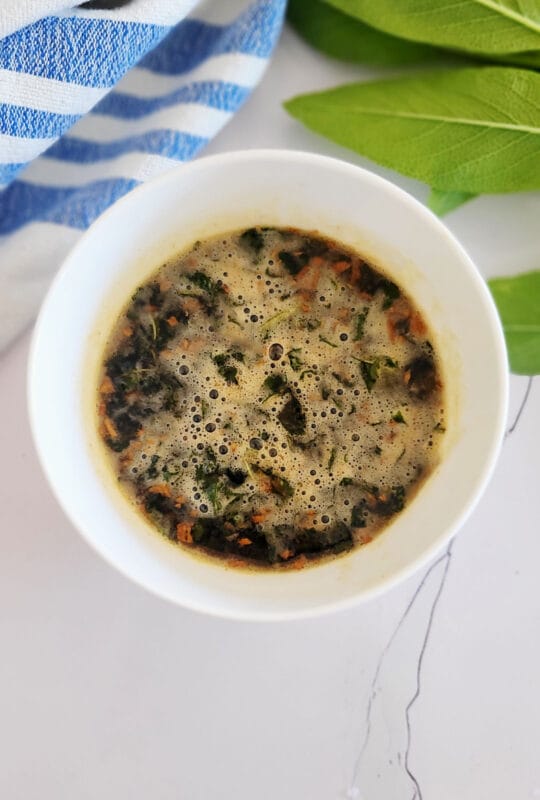
Brown Butter Sage Sauce
Why you will love this recipe
You’ll love this recipe because it comes together in about 10 minutes with just a handful of ingredients. The browned butter creates a deep, toasted flavor that makes pasta, gnocchi, and vegetables taste richer. Fresh sage adds an earthy note that balances the richness and brings classic flavor to every bite.
Ingredients For This Recipe
This recipe makes about 1/2 cup of sauce in total. It is enough to coat about 8 to 10 ounces of pasta or serve over 3 to 4 portions of vegetables or protein.
- 1/2 cup unsalted butter
- 1 minced garlic clove
- 1/4 cup fresh sage leaves coarsely chopped
- 1/4 teaspoon ground black pepper
- 1/8 tsp sea salt
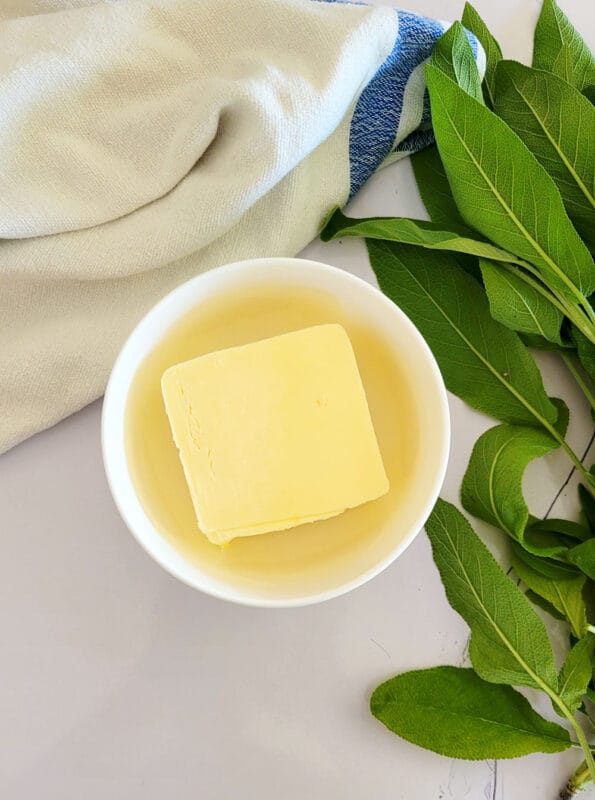
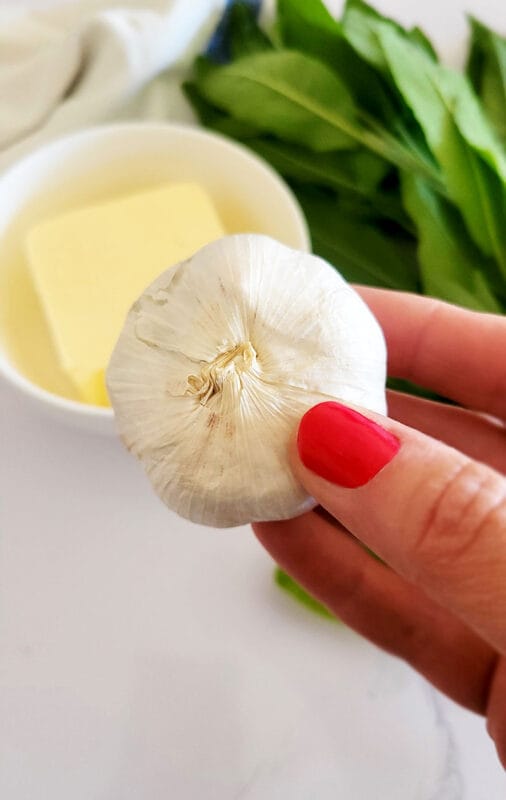
Use Fresh Sage For This Recipe
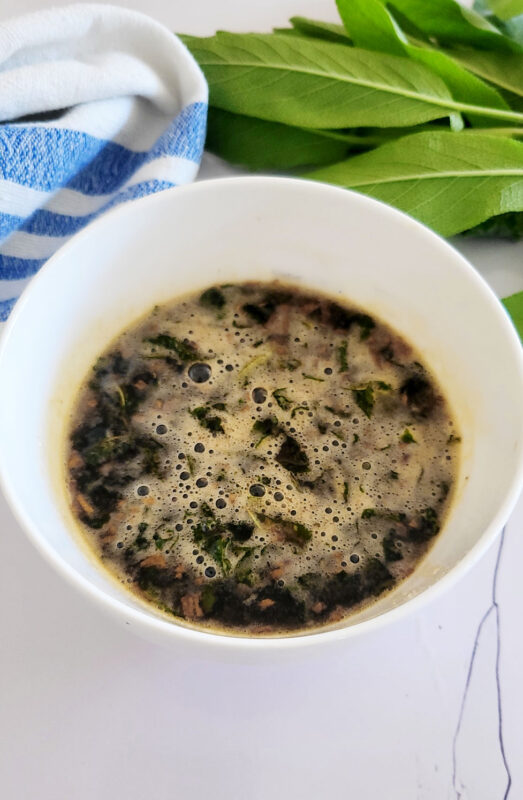
Fresh sage gives this sauce its classic flavor, so it is worth using fresh leaves instead of dried when possible. Whole leaves can be added directly to the butter, where they become lightly crisp and release their natural oils.
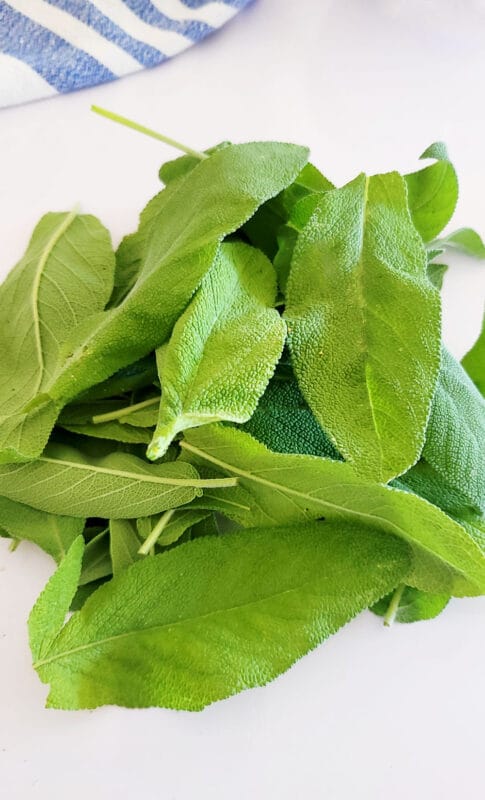
How To Make Brown Butter Sage Sauce
This sauce will make a deep and bold brown butter flavor. If you prefer a lighter flavor then follow these instructions using a medium low heat setting.
Step 1
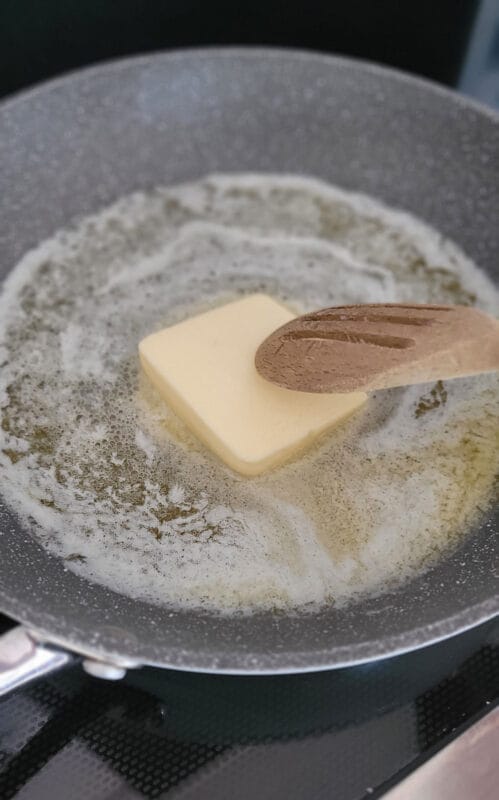
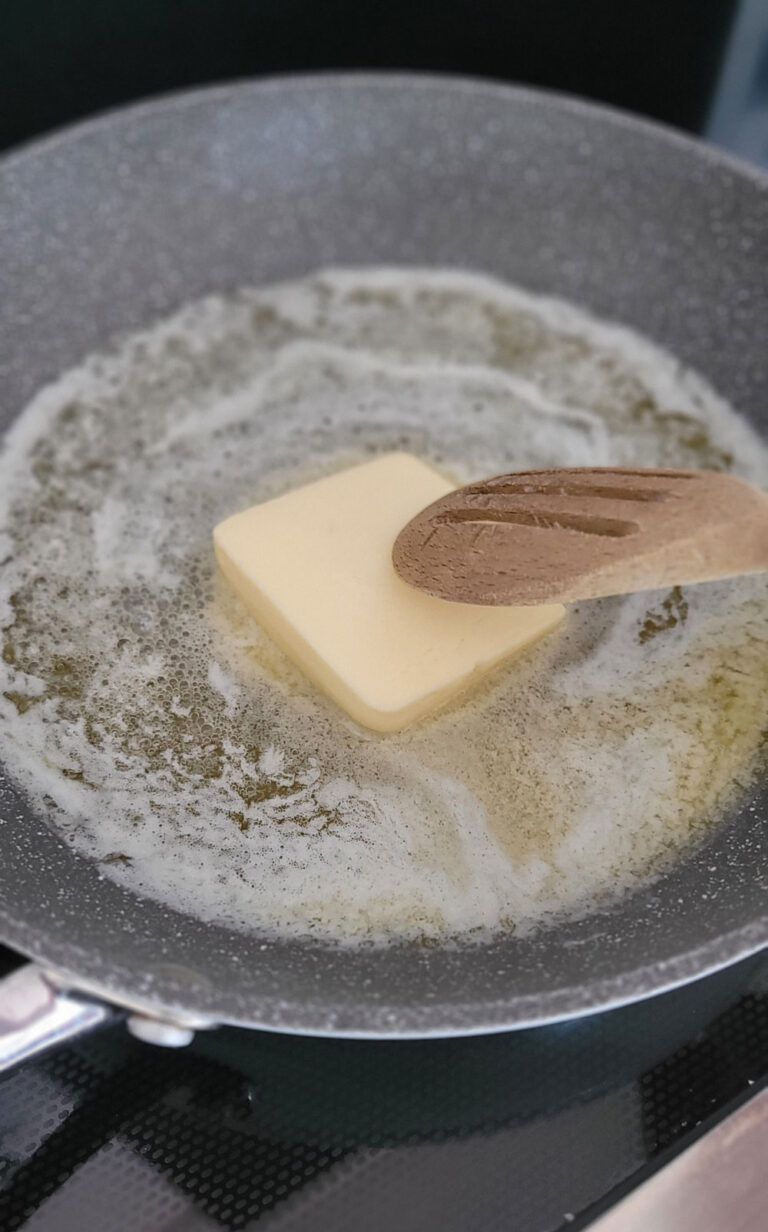
Melt the unsalted butter in a saucepan over medium. Let it warm until the butter starts to bubble and shift into a light foam. Keep stirring as the butter continues to cook and shift into a light brown color. Turn down the heat to medium low.
Step 2
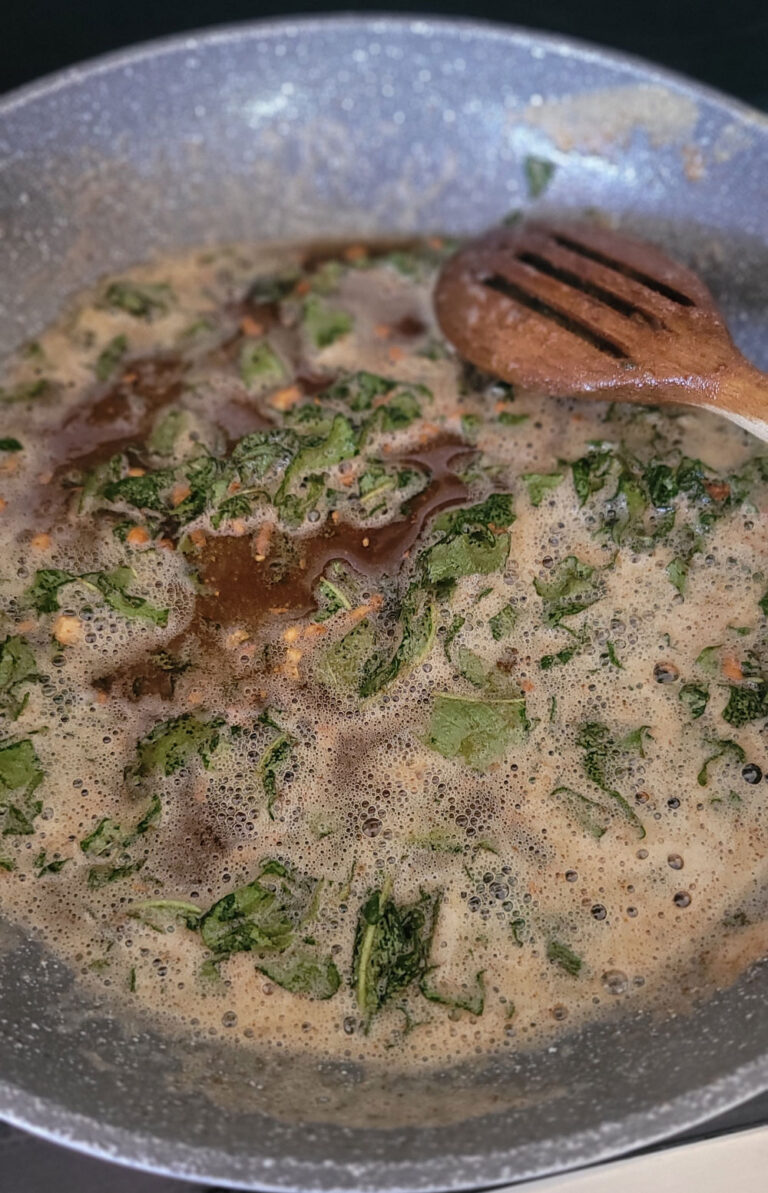
Add the minced garlic clove. Stir for about 30 seconds. The garlic will get crispy. If you would rather have soft garlic, then stir for about 10 seconds before adding the sage.
Step 3
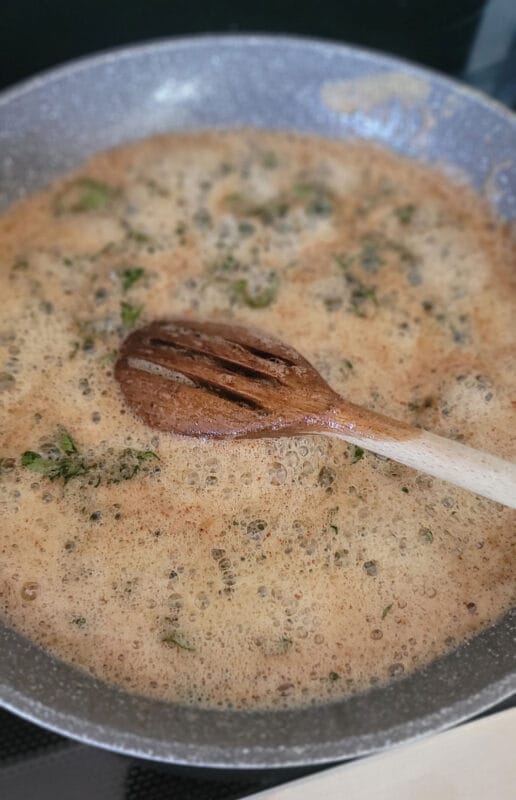
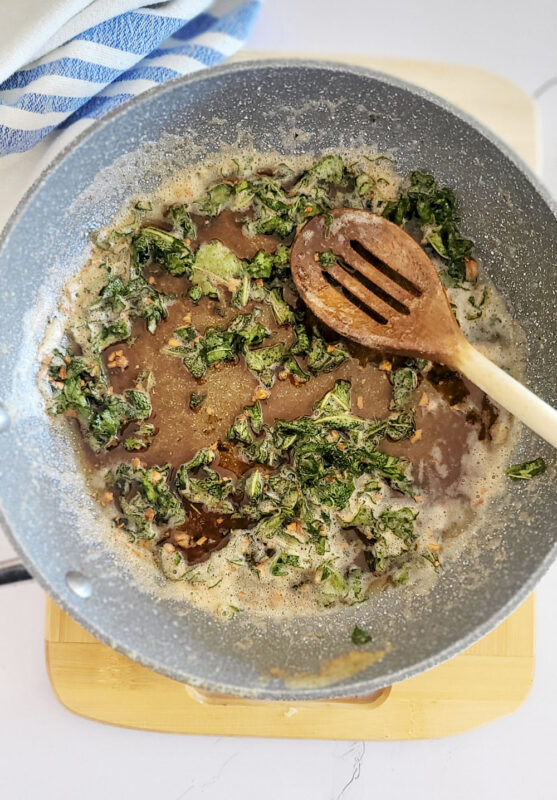
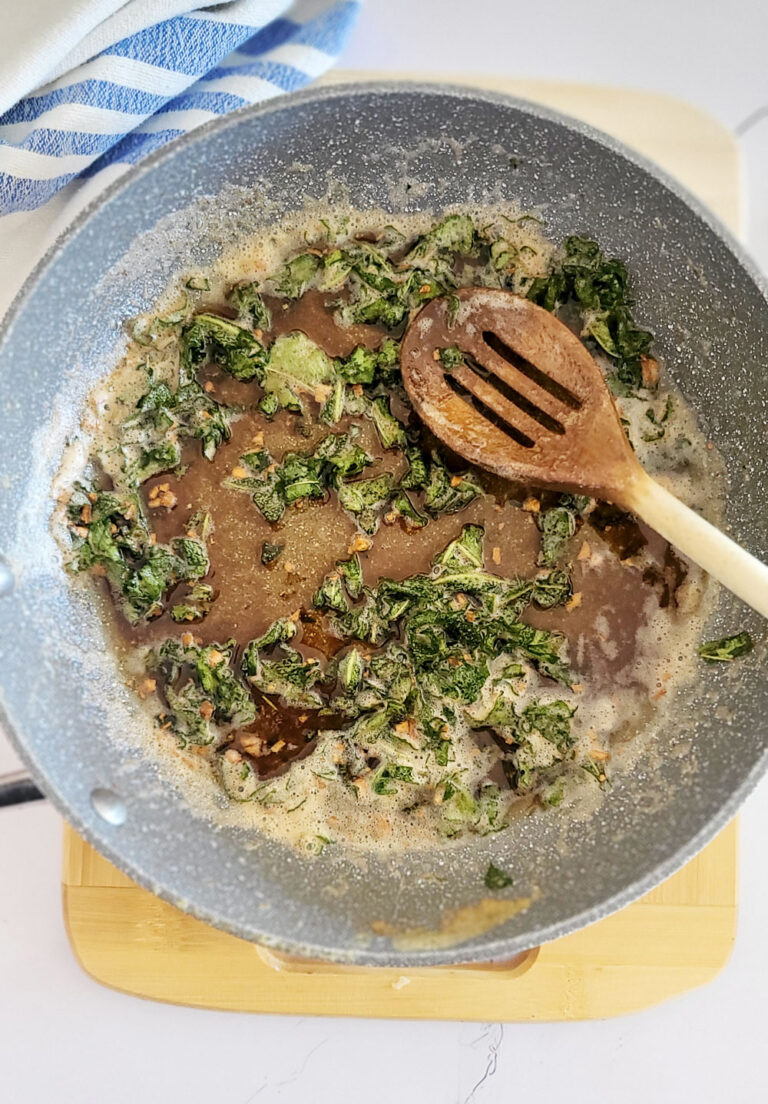
Turn off the heat add the fresh sage leaves to the garlic butter in the pan. Let it go for about 2 minutes until the aroma turns rich and nutty and the sage infuses into the butter. The sage will be slightly crispy.
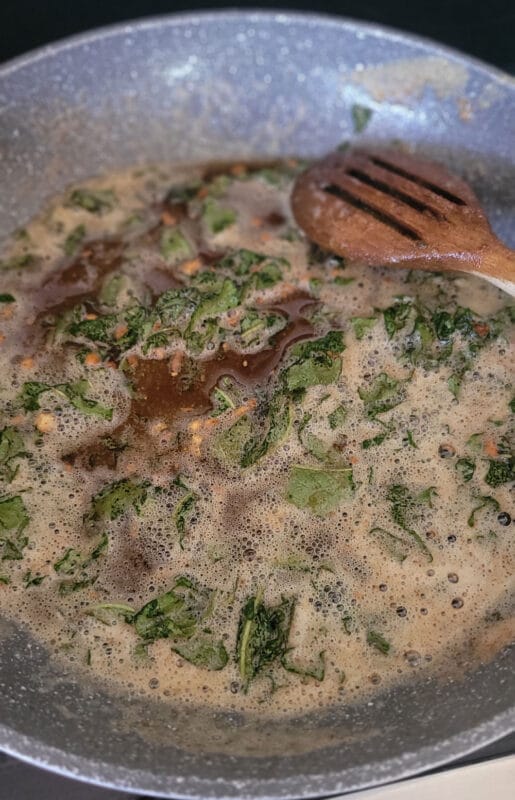
Step 4
Remove the saucepan from the heat and stir in the black pepper and sea salt. Serve warm over pasta, gnocchi, vegetables, or your favorite side dish.
Tips For Making Brown Butter Sage Sauce
Keep the heat at a gentle medium low so the butter can brown evenly without burning. A light colored pan helps you see the color change clearly as the milk solids turn golden. Stir the garlic often so it softens in the butter instead of turning dark. Fresh sage adds the most flavor when it is chopped just before cooking, and it crisps quickly once it hits the hot butter.
Frequently Asked Questions
Can I use salted butter instead of unsalted butter?
Salted butter can be used in this recipe, but it does not brown as well as unsalted butter because it often has a higher water content. The browning can take a bit longer and the color may develop less evenly in the pan. If using salted butter, keep an eye on the heat and adjust the added salt at the end for balance.
Why did my butter turn dark too quickly?
This usually happens when the heat is too high or the pan is left unattended for too long. Butter moves from golden to darker tones very fast once the milk solids start browning. On some cooktops, medium heat might feel pretty gentle, while on others it can get strong fast. If the butter is browning quickly or the sage is darkening in seconds, lower the heat.
Can I use dried sage instead of fresh sage?
Fresh sage works best because it crisps and releases a clean herbal flavor in the butter. Dried sage can be used in a smaller amount, but it will not give the same texture or aroma. If using dried, add it earlier so it has time to bloom in the butter.
What is the best way to store leftover brown butter sage sauce?
Store any leftover sauce in a sealed container in the fridge once it has cooled. It will firm up because of the butter content, then soften again when gently reheated. Warm it on low heat so the texture stays smooth and easy to drizzle.
Recipe Variations
- Browned butter with thyme instead of sage for a softer herbal flavor.
- Red pepper flakes added with the garlic for light heat in the sauce.
- Fresh parsley stirred in at the end for a fresh green finish.
- Toasted pine nuts sprinkled on top for a light crunch and nutty taste.
Ways To Use Brown Butter Sage Sauce
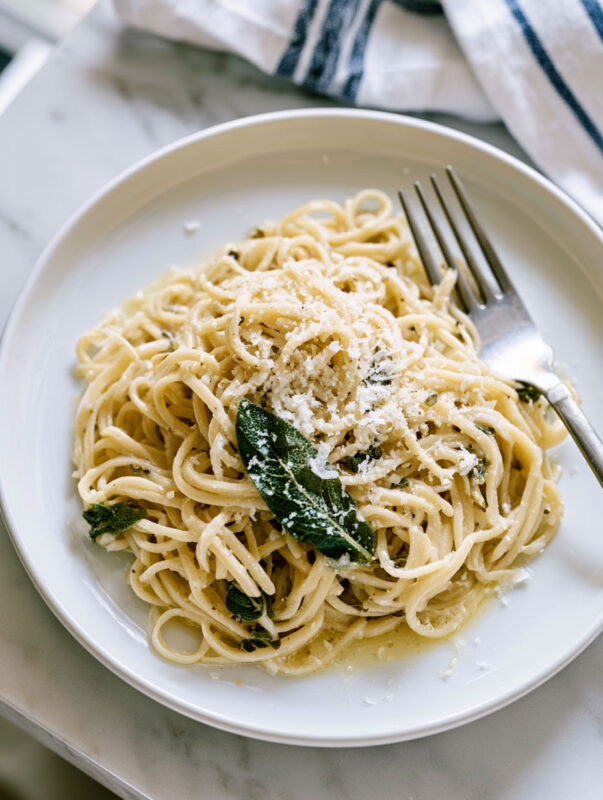
- Poured over pasta like fettuccine, ravioli, or gnocchi for a rich coating that clings to every bite.
- Drizzled over roasted vegetables like carrots, squash, or broccoli for added depth and flavor.
- Spoon it over mashed potatoes for a buttery finish with garlic and sage.
- Used as a topping for seared chicken or salmon for a simple pan sauce with bold taste.
More recipes to try
Brown Butter Sage Sauce
This is how to make brown butter sage sauce that turns a few simple ingredients into a rich sauce with nutty flavor and fresh herbal notes. This recipe makes about 1/2 cup of sauce in total. It is enough to coat about 8 to 10 ounces of pasta or serve over 3 to 4 portions of vegetables or protein.
4
servings5
minutes10
minutes200
kcalIngredients
1/2 cup unsalted butter
1 large minced garlic glove
1/4 cup fresh sage leaves coarsely chopped
1/4 tsp ground black pepper
1/8 tsp sea salt
Directions
- Melt the unsalted butter in a saucepan over medium. Let it warm until the butter starts to bubble and shift into a light foam. Keep stirring as the butter continues to cook and shift into a light brown color. Turn down the heat to medium low.
- Add the minced garlic clove. Stir for about 30 seconds. The garlic will get crispy. If you would rather have soft garlic, then stir for about 10 seconds before adding the sage.
- Turn off the heat add the fresh sage leaves to the garlic butter in the pan. Let it go for about 2 minutes until the aroma turns rich and nutty and the sage infuses into the butter. The sage will be slightly crispy.
- Remove the saucepan from the heat and stir in the black pepper and sea salt. Serve warm over pasta, gnocchi, vegetables, or your favorite side dish.
Kitchen Favorites
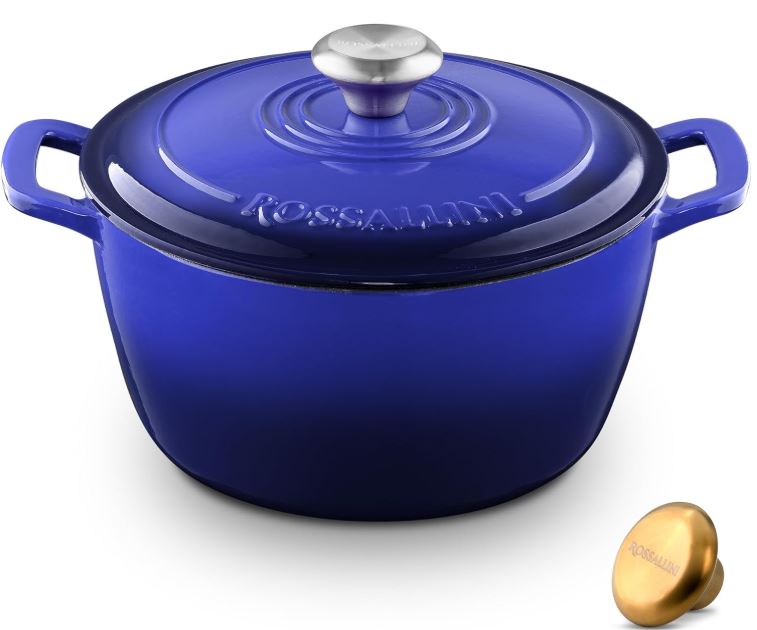
 Rossallini Dutch OvenCheck Price On Amazon
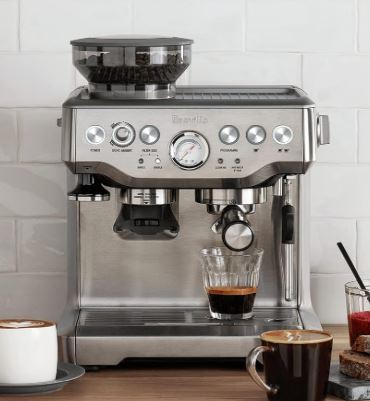
- Breville BaristaCheck Price On Amazon
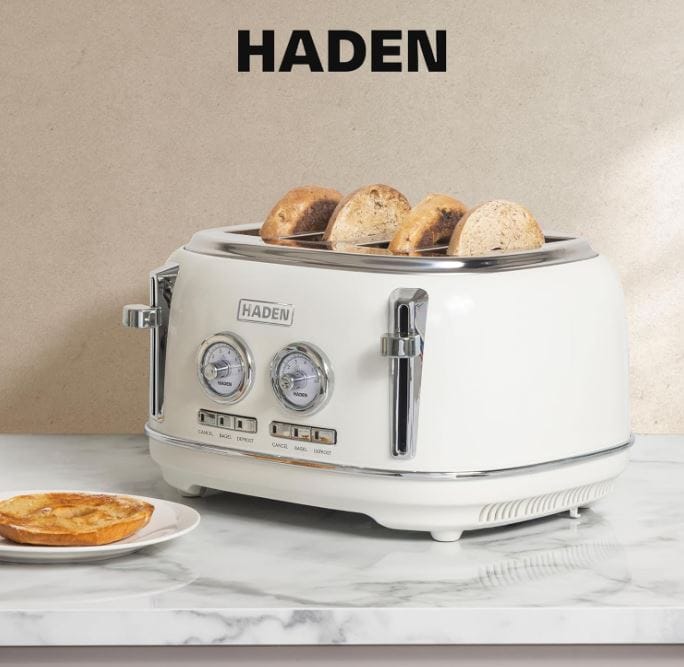
- Haden ToasterCheck Price On Amazon
Recipe Video
Notes
- Store any leftover sauce in a sealed container in the fridge once it has cooled. It will firm up because of the butter content, then soften again when gently reheated. Warm it on low heat so the texture stays smooth and easy to drizzle.
Like this recipe?
Follow @MakeOvernightOats on Pinterest