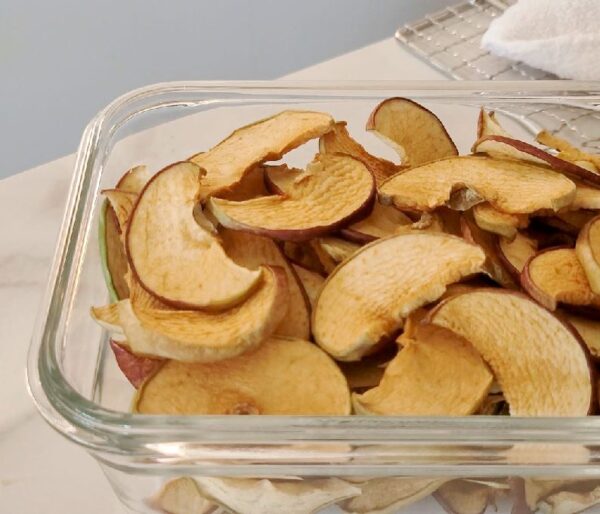
How To Dehydrate Oranges
Here is how to dehydrate oranges. Dehydrated oranges add bright citrus flavor and beautiful color to so many recipes and snacks. Learning how to dehydrate oranges is an easy way to make dried orange slices at home with very little prep. These orange slices work well for holiday decorations, hot drinks, baked treats and snack boards. Slow drying brings out the natural sweetness in the fruit while giving the slices a crisp texture and rich orange color.

I love to make dehydrated oranges when bags of fresh oranges go on sale. This is a fantastic way to preserve them for future recipes. The dried slices make homemade gifts feel extra thoughtful, and they also look beautiful tucked into charcuterie boards or jars of potpourri. Once you see how easy they are to make in the dehydrator, they will quickly became one of your favorite kitchen projects for preserving food.

How To Dehydrate Oranges
What you need to dehydrate oranges
The best thing way to dehydrate oranges is with a food dehydrator with stainless steel racks. This lets steady airflow around each orange slice so the moisture can release evenly as the slices dry. A dehydrator has the proper low heat settings to dry the citrus dry at a gentle pace until it is fully dried and ready for long term storage.
Ingredients For This Recipe
- 12 large oranges for a big batch
How To Make Dehydrated Oranges
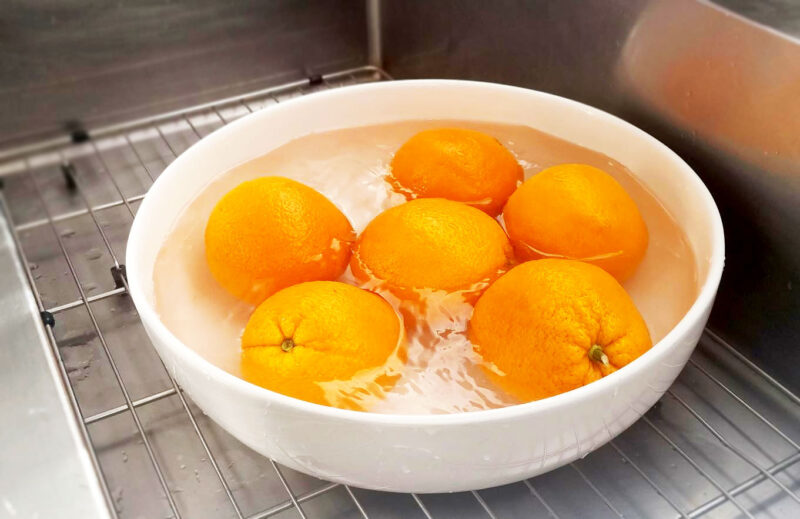
Step 1: Wash the oranges well and dry them fully so the surface is clean and ready for slicing. Fresh oranges can be cleaned by rinsing them in warm water with a little baking soda. The baking soda helps lift any surface residue so the peel is clean before slicing. After rinsing, dry the oranges well.
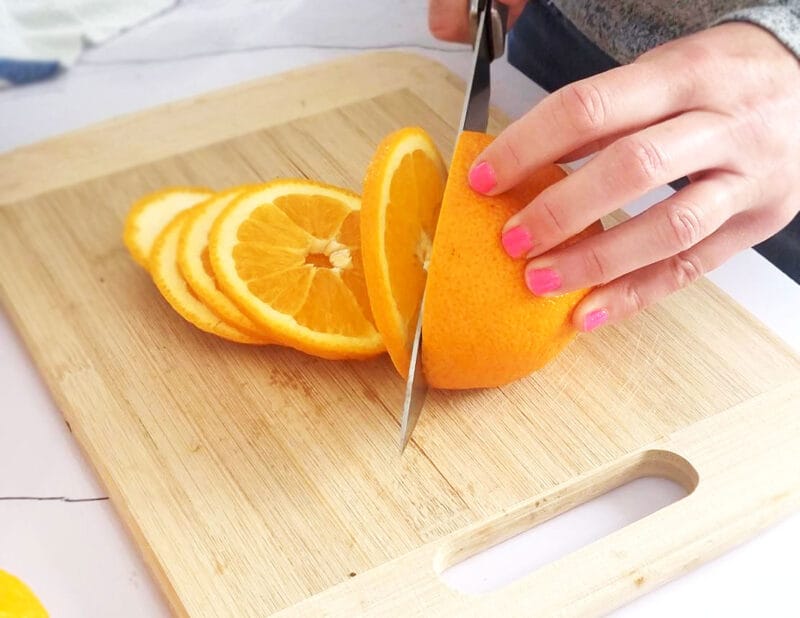
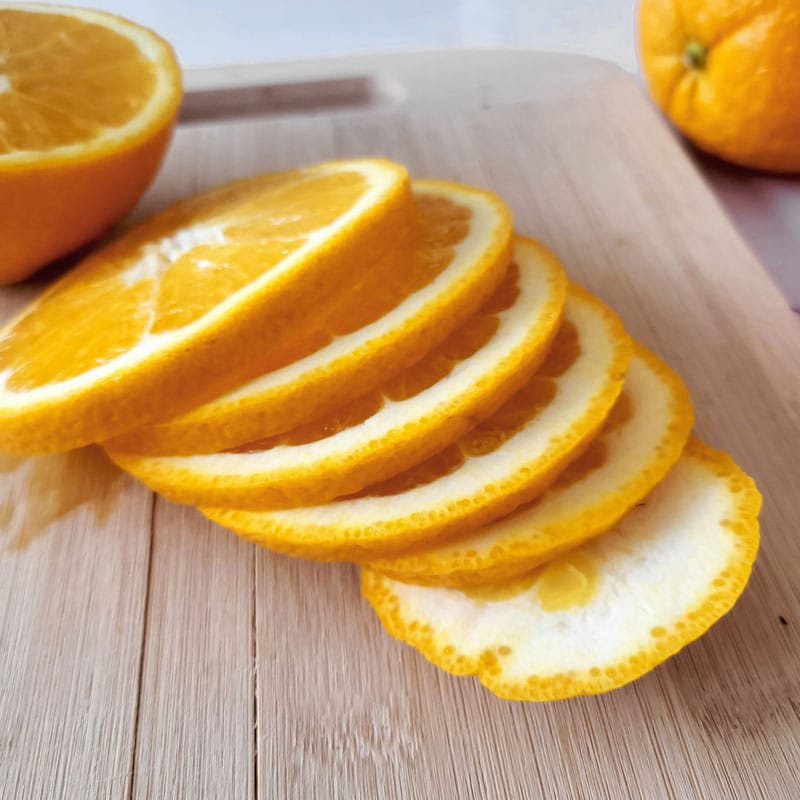
Step 2: Cut the oranges into thin, even slices so each piece dries at the same pace. I like to cut them just under 1/4 inch each. You can decide if you want them to be a full round, or cut them into smaller pieces.
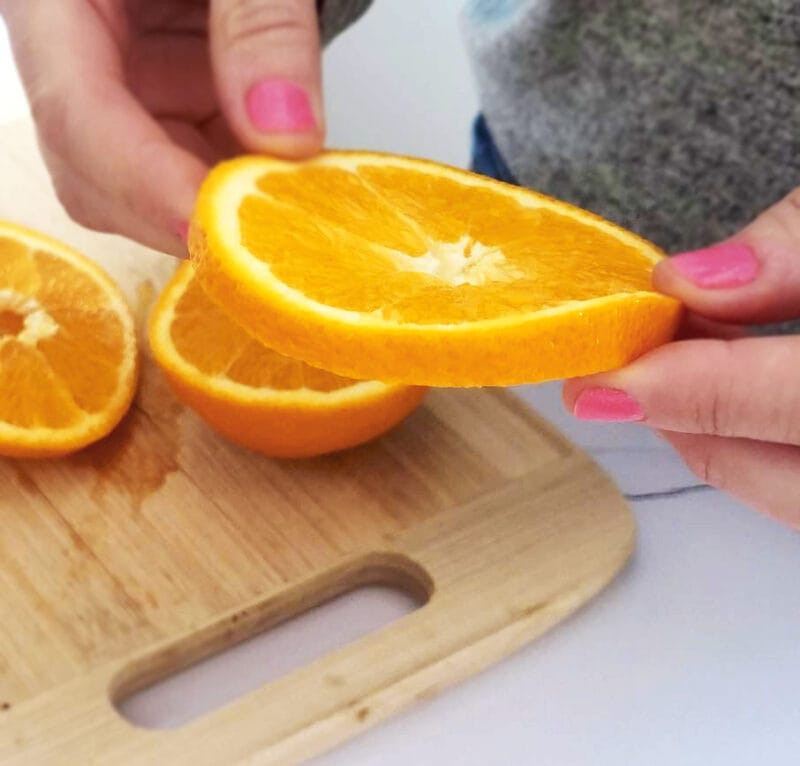
Step 3: Place the orange slices in a single layer on your dehydrator tray. With oranges and other citrus, you can have them touching because they are really going to shrink down as they dry.

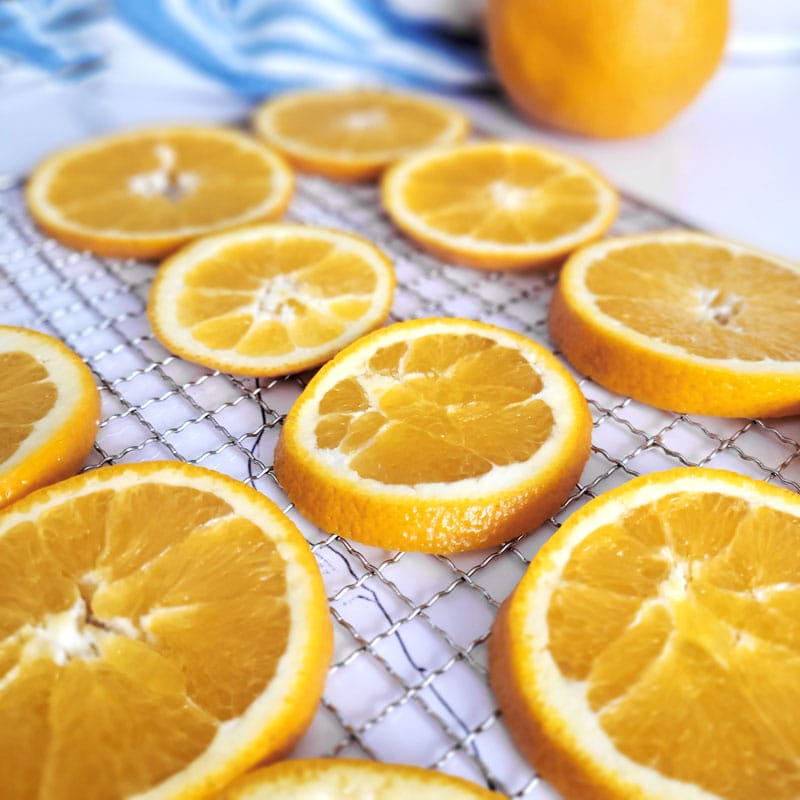
Step 4: Dry the orange slices at 130F in a dehydrator for about 10-12 hours or until they feel crisp and no moisture is in the center. You might need a longer dry if your oranges are cut thicker. Just keep checking on them from time to time.
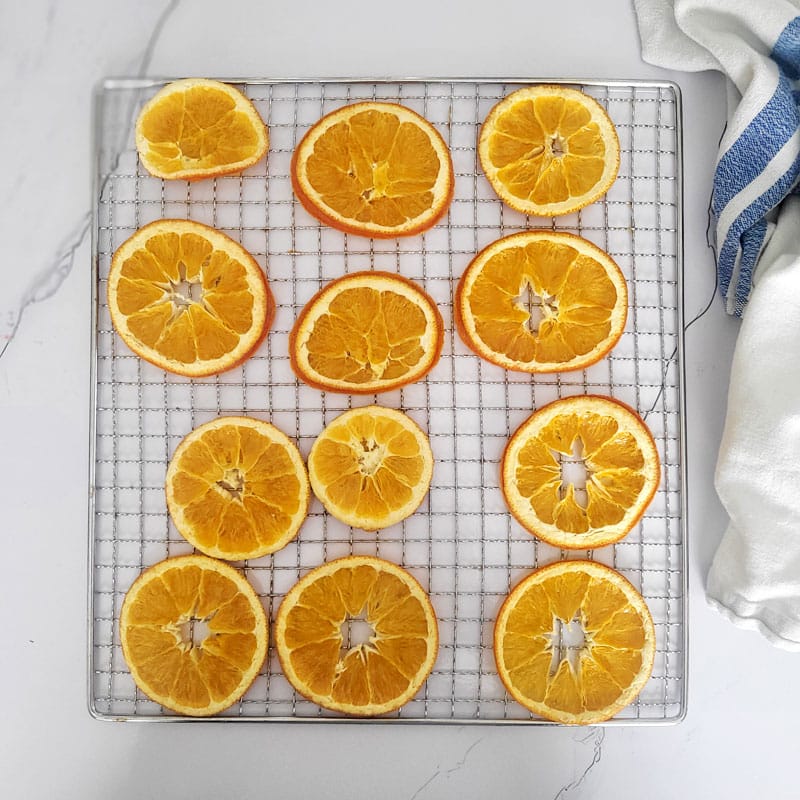
Step 5: Condition the oranges. Before storing, place your cooled oranges in a large glass jar or bowl. Shake or stir them up once a day for about a week.
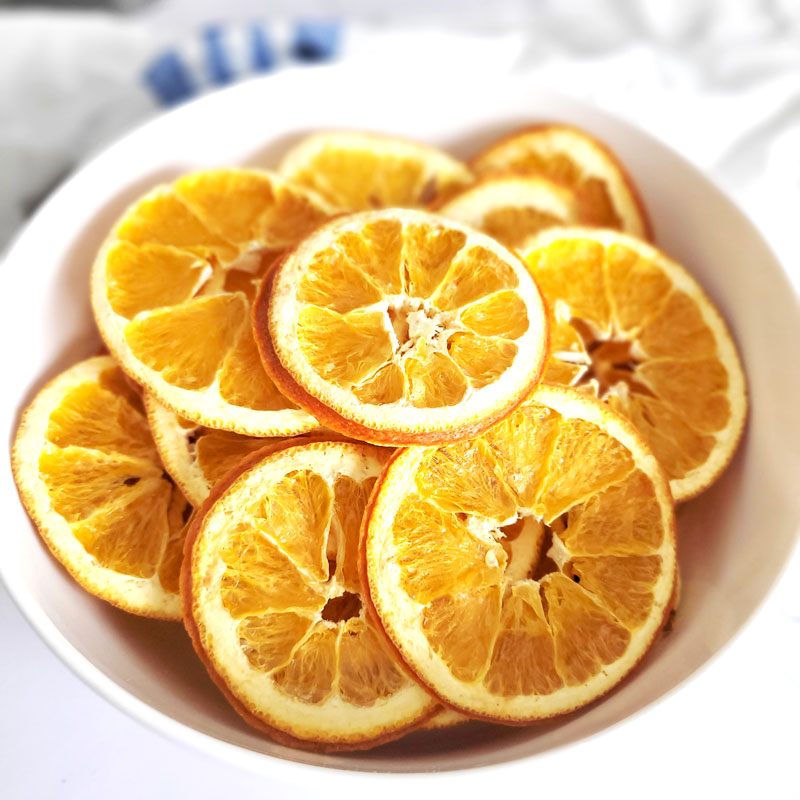
About Conditioning Dried Oranges Before Storing
One important step after dehydrating oranges is conditioning the slices before long term storage. Conditioning helps get rid of any leftover moisture so the dried oranges are ready for long term storage. To do this, place the cooled orange slices in a bowl for several days and gently move them around once or twice a day. If you notice any moisture, the oranges need more drying time before storing.
Tips For Making Dehydrated Oranges
Slice the oranges as evenly as possible so they dry at the same rate and keep a pretty shape. Thin slices dry faster and become crisp, while slightly thicker slices stay a little softer in the center. Rotate trays during drying so the oranges dry evenly.
Frequently Asked Questions
How long will dried oranges last in storage?
Properly dehydrated orange slices can last a surprisingly long time when stored the right way. If the slices are completely dry and kept in an airtight container in a cool, dark place, they usually stay good for about 1 year. For even longer storage, you can keep them in vacuum sealed bags or mason jars with a food safe moisture absorber, which can help them last up to 2 years.
Humidity is the biggest thing that shortens shelf life. If the oranges start to feel soft, sticky, or chewy again, moisture has gotten in and they should be used soon. Keeping them away from heat, sunlight, and frequent air exposure helps them keep their color, flavor, and texture much longer.
How do I know when dehydrated oranges are fully dried?
Dehydrated oranges should feel dry to the touch with no sticky spots or wet centers. The slices may still feel slightly flexible when warm, but they will firm up more as they cool. Thicker slices can take longer to dry, so checking the centers before storing is very important.
Can I use any type of orange for dehydrating?
Yes, you can use many types of oranges for dehydrating, and each one gives a slightly different look and flavor. Navel oranges are a popular choice because they are easy to slice and have a bright classic citrus taste. Blood oranges bring a deeper color that looks really striking once dried. Mandarins and clementines are smaller, so they make delicate slices that work well for decorations and garnishes.
Do I need to use a dehydrator to make dried orange slices?
You can make dehydrated oranges in a dehydrator or in the oven. A dehydrator gives slow and even drying, while an oven works well at a low temperature with good airflow. If you are using your oven, set it to the lowest temperature for drying.
How should I store dehydrated oranges?
Store dehydrated oranges in an airtight container in a cool dry place after conditioning them. Glass jars work really well because they keep out moisture and make it easy to check the slices. Properly dried and stored oranges can last for several months while keeping their bright color and citrus flavor.
Why did my dehydrated oranges turn brown?
Oranges can turn darker if the temperature is too high or if they dry for too long. Using a lower temperature helps the slices keep more of their bright orange color. Some natural darkening is normal during the drying process, especially with very sweet oranges.
Ways To Use Dehydrated Oranges
- Add them to tea for a light citrus flavor
- Use them as a topping for cakes, cupcakes, and cookies
- Mix into homemade potpourri
- Place them on charcuterie boards
- Use them as drink garnishes for cocktails, mocktails, or sparkling water
- String them into garlands for seasonal decor
- Blend into holiday gift jars with spices and dried fruit
- Add them to simmer pots on the stove
More recipes and preservation articles
- How to dry and dehydrate lemons
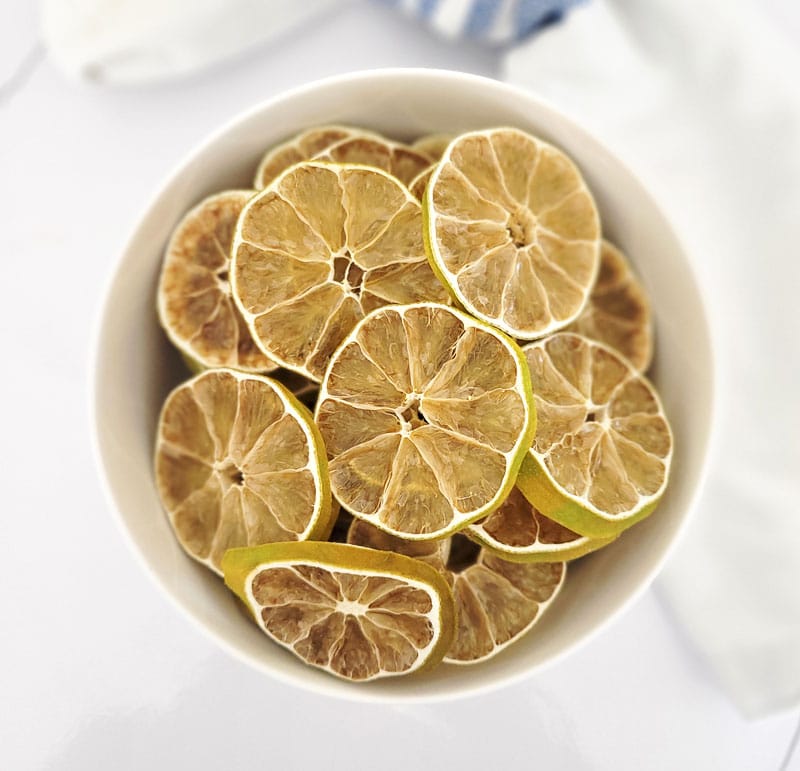
- How to dehydrate limes
- Overnight oats with berry compote
- Best at home freeze dryers
- Manuka honey brands
How To Dehydrate Oranges
Dehydrated oranges add bright citrus flavor and beautiful color to so many recipes and snacks. Learning how to dehydrate oranges is an easy way to make dried orange slices at home with very little prep. These orange slices work well for holiday decorations, drink garnishes, baked treats and snack boards.
12
oranges10
minutesIngredients
12 small-large oranges (use as many oranges as you like)
Directions
- Wash the oranges well and dry them fully so the surface is clean and ready for slicing. Fresh oranges can be cleaned by rinsing them in warm water with a little baking soda. The baking soda helps lift any surface residue so the peel is clean before slicing. After rinsing, dry the oranges well.
- Cut the oranges into thin, even slices so each piece dries at the same pace. I like to cut them just under 1/4 inch each.
- Place the orange slices in a single layer on your dehydrator tray so air can move around each piece. With oranges and other citrus, you can have them touching because they are really going to shrink down as they dry.
- Dry the orange slices at 130F in a dehydrator for about 10-12 hours or until they feel crisp and no moisture is in the center. You might need a longer dry if your oranges are cut thicker. Just keep checking on them from time to time.
- Condition the oranges. Before storing, place your cooled oranges in a large glass jar or bowl. Shake or stir them up once a day for about a week.
Kitchen Favorites
 Cosori Food DehydratorCheck Price On Amazon
- GE Ice MakerCheck Price On Amazon
- Nutrichef Air FryerCheck Price On Amazon


Recipe Video
Notes
- Drying time can change based on how thick the orange slices are and how juicy the fruit is. Thin slices from fresh, firm oranges tend to dry more evenly and give a lighter texture, while thicker slices take longer. Plan for 10+ hours drying time.
- Properly dehydrated orange slices can last a surprisingly long time when stored the right way. If the slices are completely dry and kept in an airtight container in a cool, dark place, they usually stay good for about 1 year. For even longer storage, you can keep them in vacuum sealed bags or mason jars with a food safe moisture absorber, which can help them last up to 2 years.
Like this recipe?
Follow @MakeOvernightOats on Pinterest