How To Wash Apples
This is how to make clean fresh apples right at home with a few simple kitchen steps. Washing apples helps remove dirt, wax, and residue from the surface before slicing or snacking. A quick rinse under running water works well for everyday cleaning, and a gentle scrub can help with apples that feel extra shiny. This guide walks through how to wash apples the easy way so they are ready for lunch boxes, baking, or fruit trays.
If you keep a bowl of apples on the counter like I do, it is nice knowing they are already washed and ready to grab during a busy day. Fresh apples are one of those foods that work for quick snacks, homemade desserts, and simple breakfasts, so having them cleaned ahead of time saves time later. I also like washing a batch before family visits or weekend baking since it makes everything feel a little easier in the kitchen. Once you start doing this regularly, it becomes one of those small habits that makes daily cooking feel smoother.
How To Wash Apples
Washing apples is an important step before eating or slicing them. Apples travel through farms, storage areas, trucks, and grocery store displays before making it into your kitchen, so the surface can collect dirt, residue, and wax along the way.
Common Contaminants
Pesticide Residues
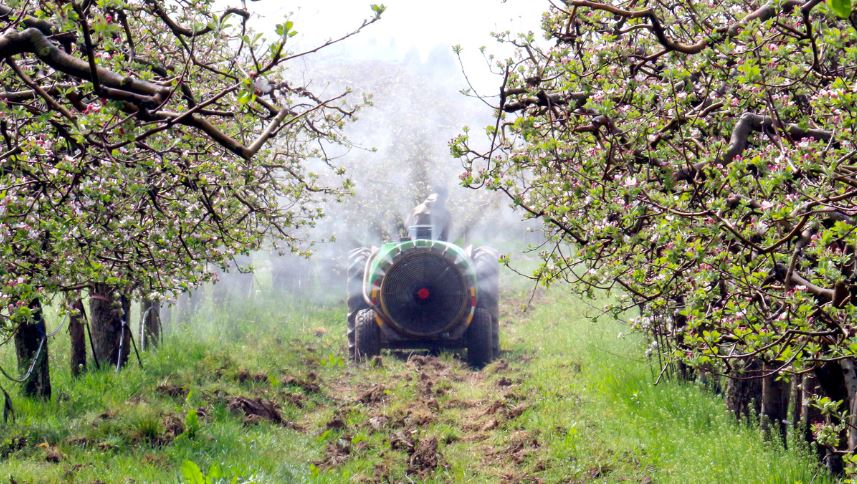
Pesticide residues can sometimes remain on the surface of apples after they are grown and handled through different stages before reaching the store. These residues come from sprays used during farming to protect fruit while it is growing. Even after harvesting and packaging, small traces can still stay on the skin. Washing apples helps reduce what is left on the outside so the fruit feels cleaner and fresher to eat.
Dirt And Debris
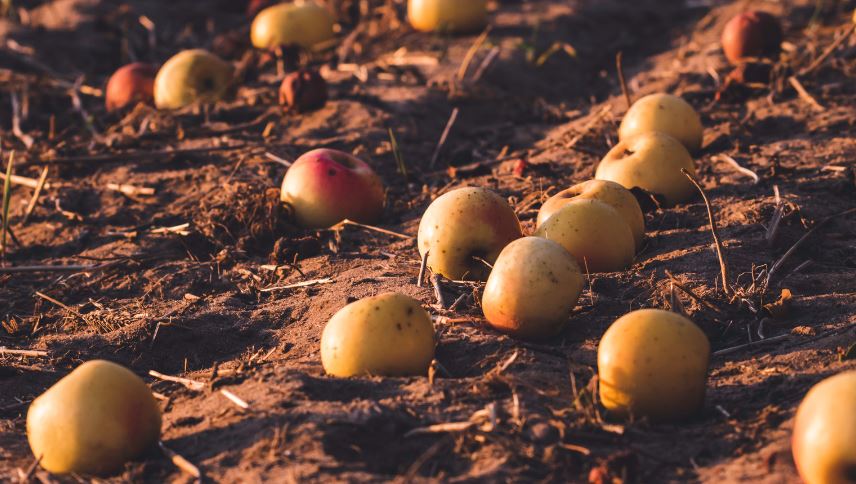
Dirt and debris can collect on apples as they grow outdoors and move through harvesting, packing, and shipping. Bits of soil, dust, and tiny plant particles can stay on the skin, especially around the stem and natural dimples of the fruit. Even apples that look clean at the store can carry a light layer that is not always visible at first glance. Washing helps lift away this buildup so the surface feels fresh and ready to enjoy.
Bacteria and Pathogens
Bacteria and pathogens can sometimes be present on the surface of apples from soil, handling, and contact during transport and storage. These microorganisms are not always visible, which is why a proper wash is an important step before eating. Apples pass through many hands and surfaces before reaching the kitchen, so a good wash helps refresh the outer layer.
Choosing Apples
Organic vs. Conventional Apples
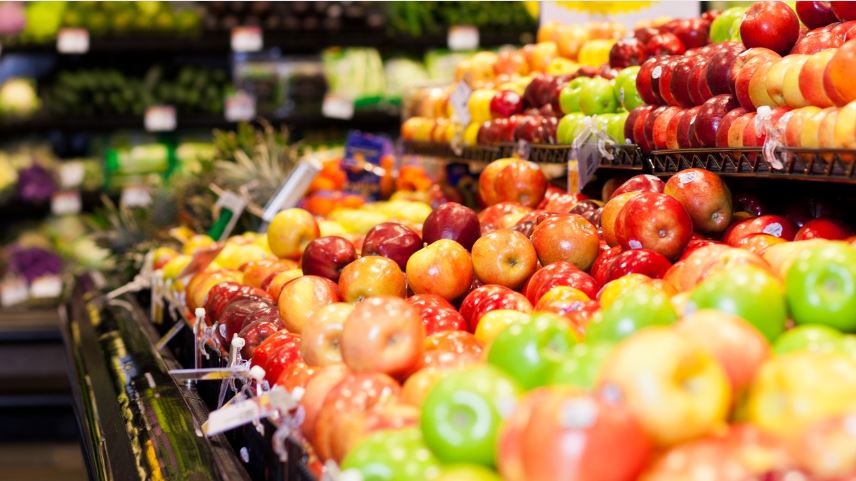
Apples are grown with different farming practices, and both can pick up natural wax, dust, and light residue as they move from orchard to store shelves. Organic apples come from growing practices that follow specific guidelines, while conventional apples may use standard sprays during growth to support the crop. Even with these differences, the surface of both types can still carry buildup from handling, packing, and transport.
Selecting Fresh and High Quality Apples
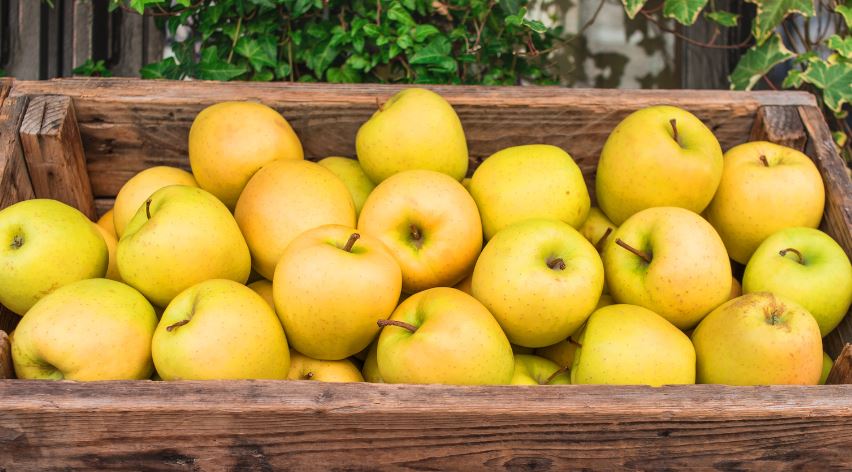
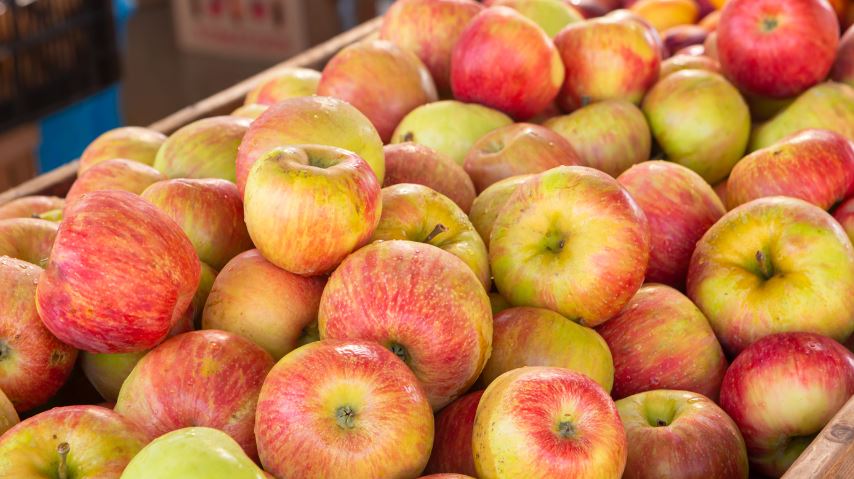
Selecting fresh and high quality apples starts with looking at the skin and overall feel of the fruit. Apples that are firm with smooth skin usually indicate good freshness, while soft spots or deep blemishes can signal they are past their best. Color can vary by variety, but the surface should look lively rather than dull or overly wrinkled. A quick check at the stem area also helps since a dry or missing stem can show the apple has been stored for a longer time.
When you are at the store or market, it helps to pick up each apple and feel its weight in your hand. Heavier apples for their size often hold more juice and a crisp bite.
Supplies Needed To Wash Apples
Running Water
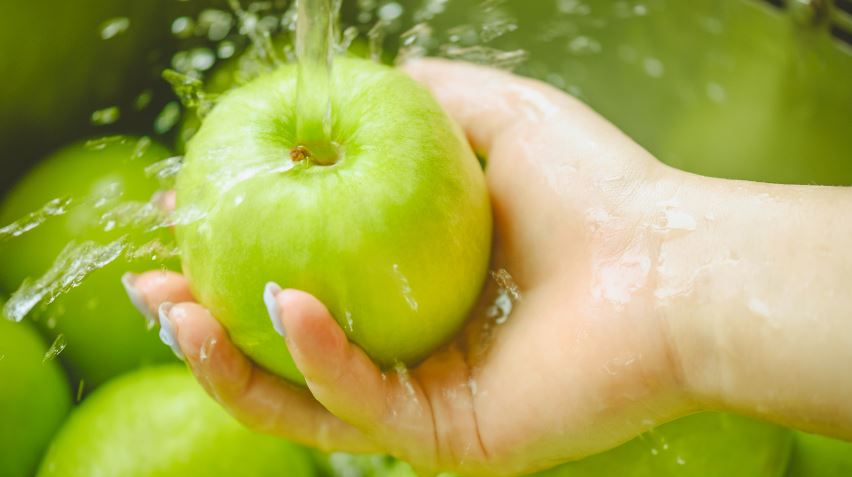
Running water is the main thing you need for washing apples. A steady stream from the tap helps lift away dust, wax, and surface residue from the skin. Cool or lukewarm water works well since it keeps the apple firm while it is being cleaned. Holding each apple under the water for a short moment gives the surface a fresh, clean feel.
Baking Soda (Sodium Bicarbonate) or Fruit Wash Solution
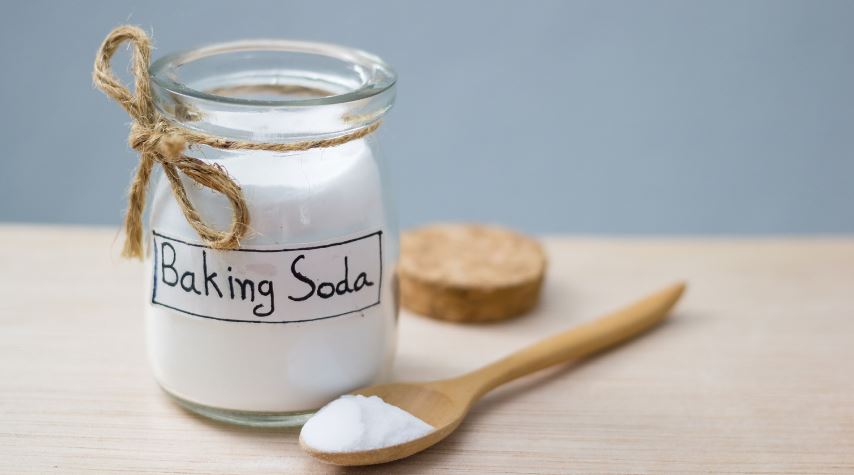
Baking soda, also called sodium bicarbonate, is often used with water to help clean apple skins more thoroughly. A light soak in a baking soda solution can help lift surface residue while still keeping the fruit firm and fresh. Some people also like using a fruit wash solution made for produce, which is designed for rinsing fruits and vegetables.
Soft Brush, Sponge or Cloth
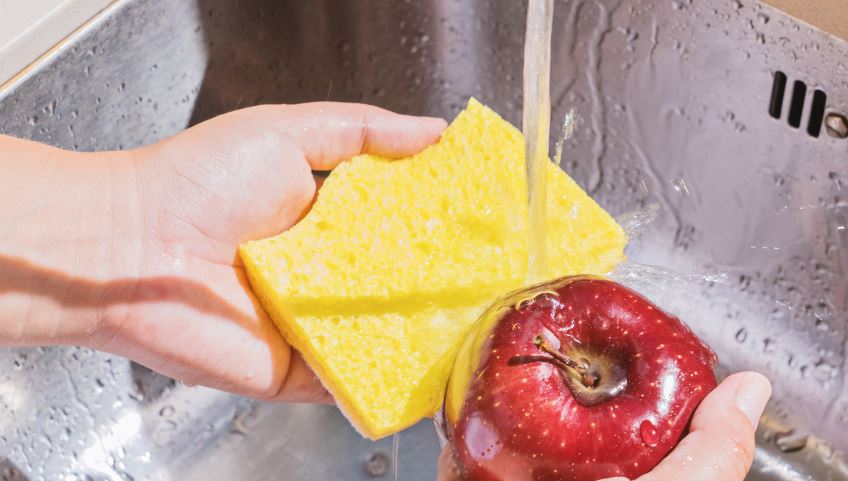
A soft brush, sponge, or clean cloth can help clean apples more closely when there is visible residue on the skin. These gentle tools help lift dirt and light buildup from the surface without scratching the fruit. They are especially helpful around the stem and bottom where particles can settle into small natural creases. Using light pressure keeps the apple firm while giving the skin a fresher feel.
Towel Or Paper Towels
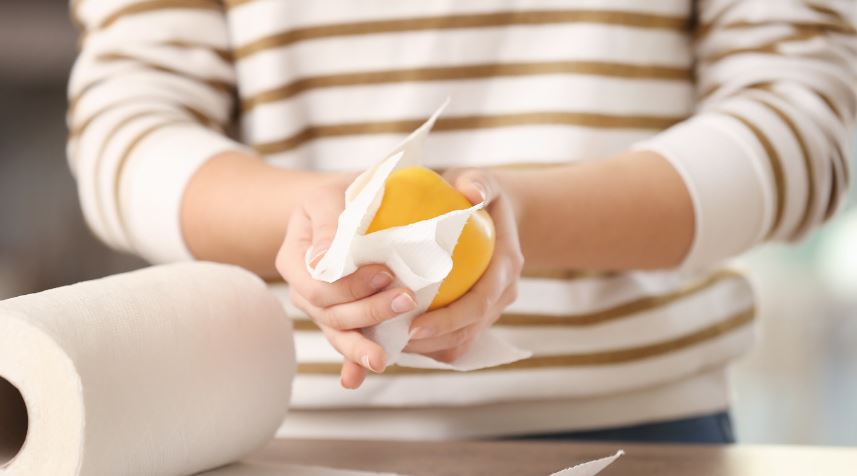
A clean towel or paper towels are useful for drying apples after they have been rinsed. Gently patting each apple helps remove extra water from the skin so it feels dry and ready to handle. This step also helps reduce leftover moisture that can sit in small creases around the stem or bottom. Dry apples are easier to store and feel better when placed in a fruit bowl or fridge.
How To Clean Apples Step By Step
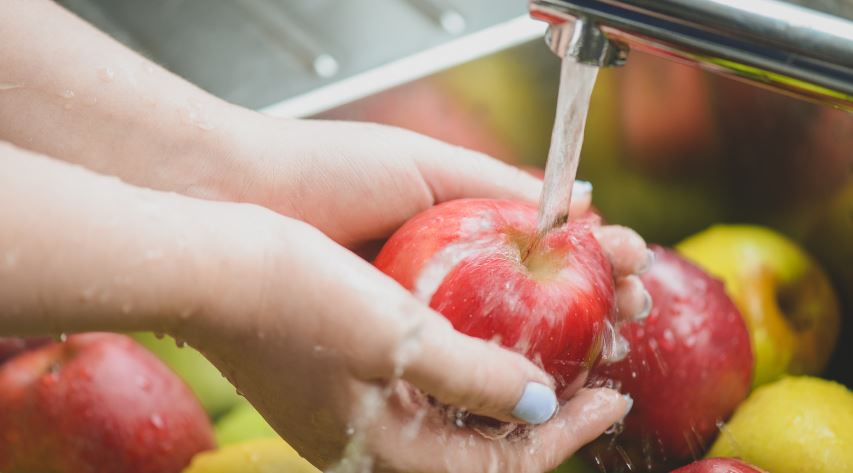
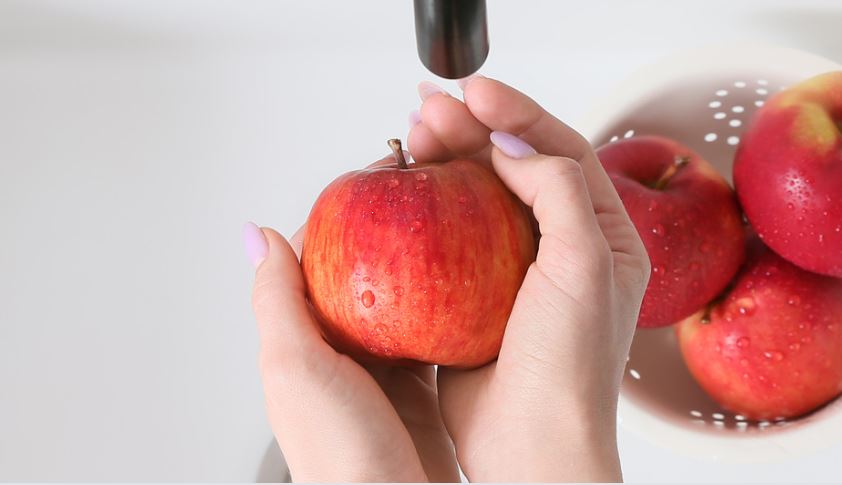
Start by placing your apples under cool running water. Turn each apple slowly in your hands so the water reaches every side of the skin. This first rinse helps lift dust, wax, and light surface residue. Keep the flow steady so the apple feels fresh all over.
If needed, add a light scrub using a soft brush, sponge, or clean cloth. Focus on the stem area and the bottom where small bits can collect. Move gently across the surface so the skin stays smooth while getting cleaned. This step helps give each apple a fresher, clearer finish.
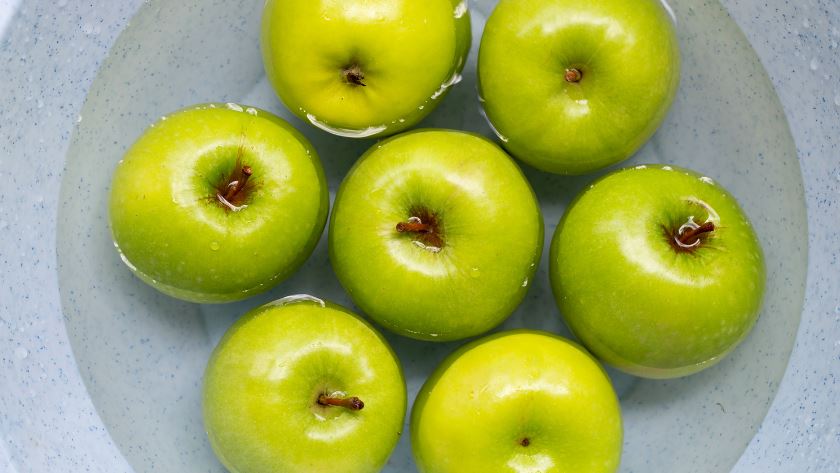
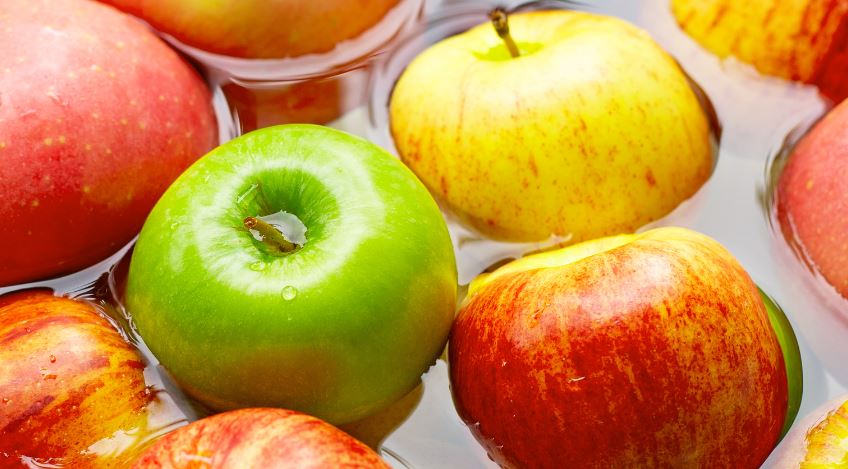
For a deeper clean, mix water with baking soda or use a fruit wash solution and let the apples sit for a short time. After soaking, rinse them again under running water to clear everything from the surface. This final rinse leaves the apples ready for handling, slicing, or storing.
After washing apples, drying them is an important finishing step before storing. Gently pat each apple with a clean towel or paper towel to remove surface water. This helps keep moisture from sitting in small creases around the stem and bottom. Dry apples feel cleaner in hand and are easier to place in storage without extra dampness.
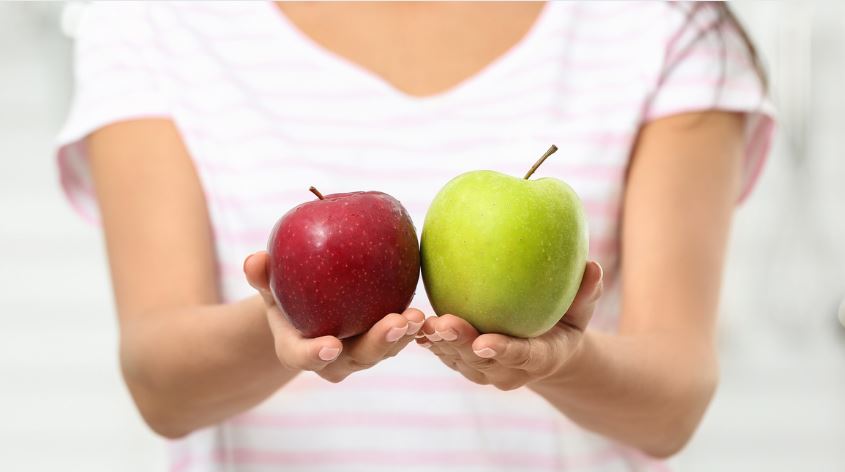
Once they are dry, apples can go into the fridge or a fruit bowl depending on how quickly they will be used. Keeping them dry helps maintain a fresher feel on the skin during storage. A quick towel press only takes a moment but makes the apples more comfortable to handle later. This simple step completes the washing process in a clean and easy way.
Storing Washed Apples Properly
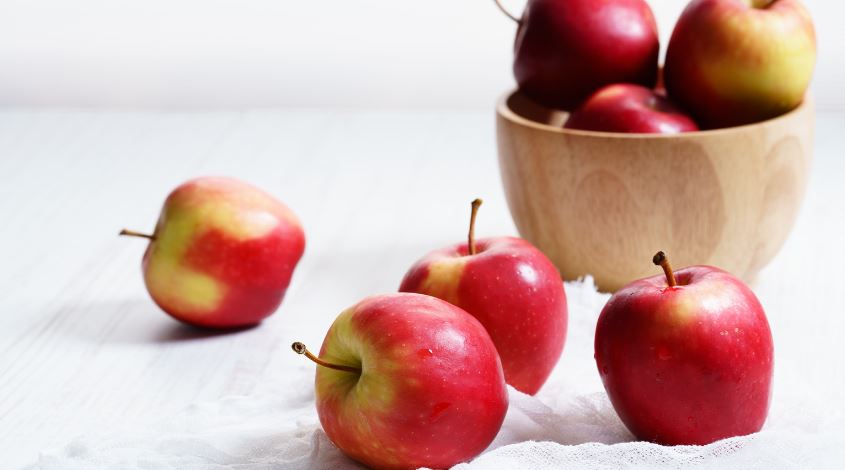
Storing apples starts with keeping them in a cool spot like the fridge to help maintain their crisp texture. Placing them in a drawer or a breathable bag helps keep air moving around the fruit. It is helpful to keep apples away from strong smelling foods since they can take on nearby scents. Sorting through them before storing also helps since any bruised apple can be set aside for quicker use.
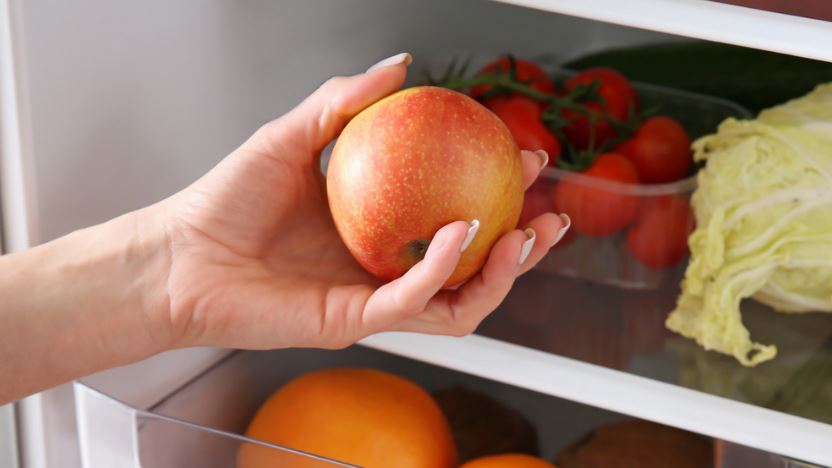
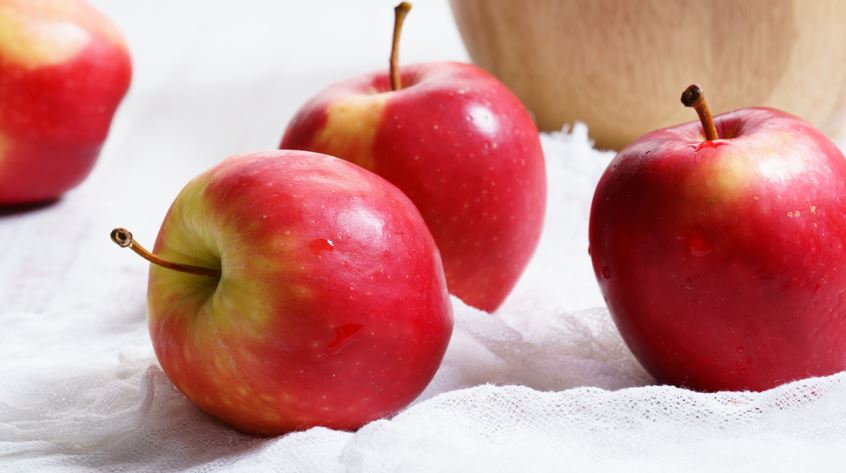
When apples are kept chilled, they stay firm and ready for snacking or cooking throughout the week. I like to arrange them in a single layer when possible so they are easy to see and grab. This also helps you notice when one is ready to be used first. A simple storage setup like this keeps apples feeling fresh and ready in your kitchen.
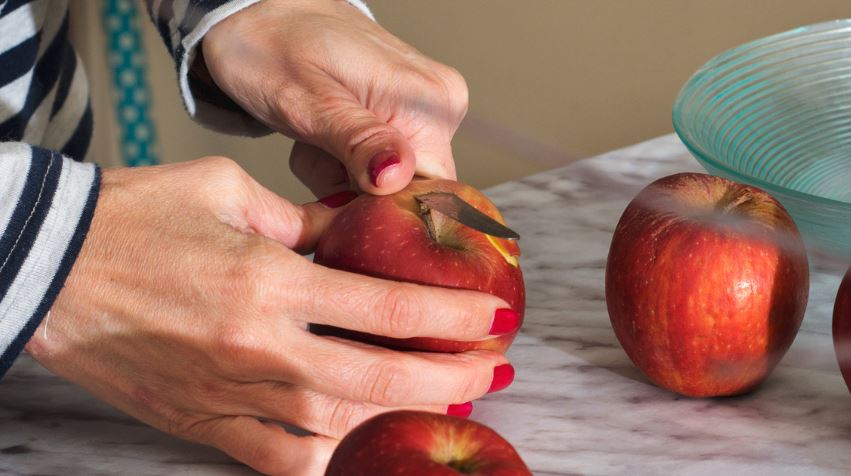
Compost Damaged Apples
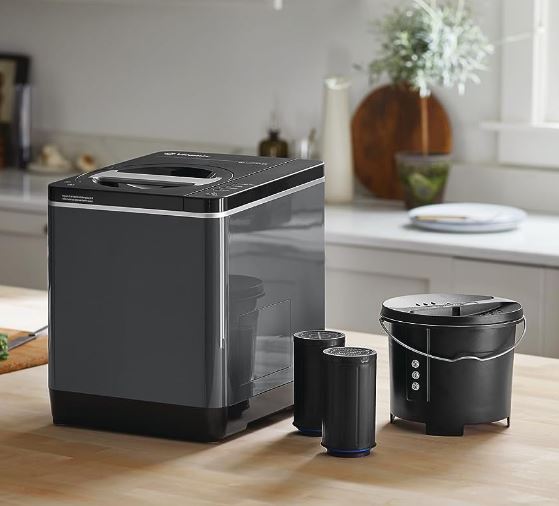
Composting apples in a counter composter is a simple way to handle scraps from peeling or leftovers. Small pieces of apple can be added along with other fruit and vegetable bits to break down naturally over time. A countertop composter helps keep everything contained in one place while you collect kitchen scraps during the day. It is an easy step that turns food waste into something that can later support soil.
When the container fills up, the contents can be transferred to an outdoor compost bin or local compost system. Apple cores and peels break down well and fit right in with other organic scraps.
Popular Apple Recipes
- Apple Pie Overnight Oats
- Swiss Overnight Oats With Apples
- Warm Apple Raisin Oatmeal
- How to dehydrate apples
Freeze Drying Articles
Live edge charcuterie boards for fruit trays.