23 Cookie Baking Tips For Perfect Cookies
Here are some of the best cookie baking tips. Baking cookies is such a joy, but a few cookie baking secrets can take them from good to downright amazing. If you’re looking for tips for cookies that turn out perfectly every time, you’re in the right place. From cookie tricks to using a convection oven, these cookie baking tips will show you how to make cookies better.
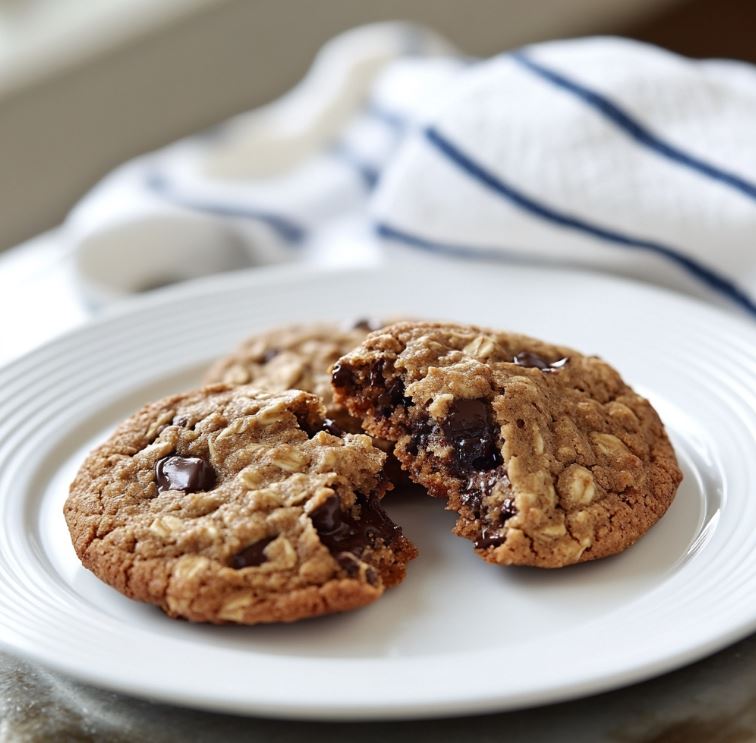
When I bake cookies, I want them to be irresistible, golden on the edges, soft in the middle, and full of flavor. Over the years, I’ve picked up some cookie baking tips that make all the difference. Little things, like chilling the dough or understanding how a convection oven bakes cookies differently. These cookie tricks aren’t complicated, but they’re helpful ideas for how to make better cookies every time. Let’s go through this list together and make your next batch the best one yet!
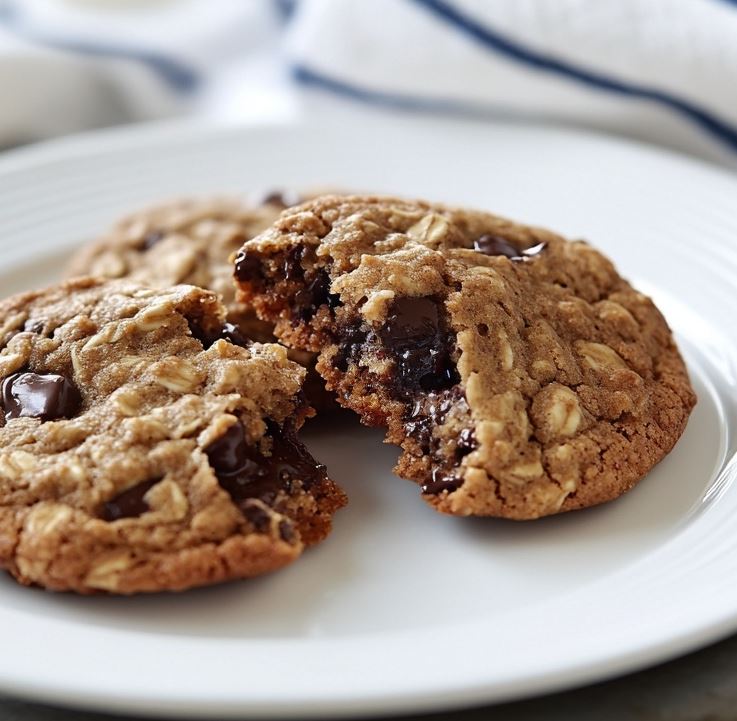
Best Cookie Baking Tips
1. Use Fresh Ingredients
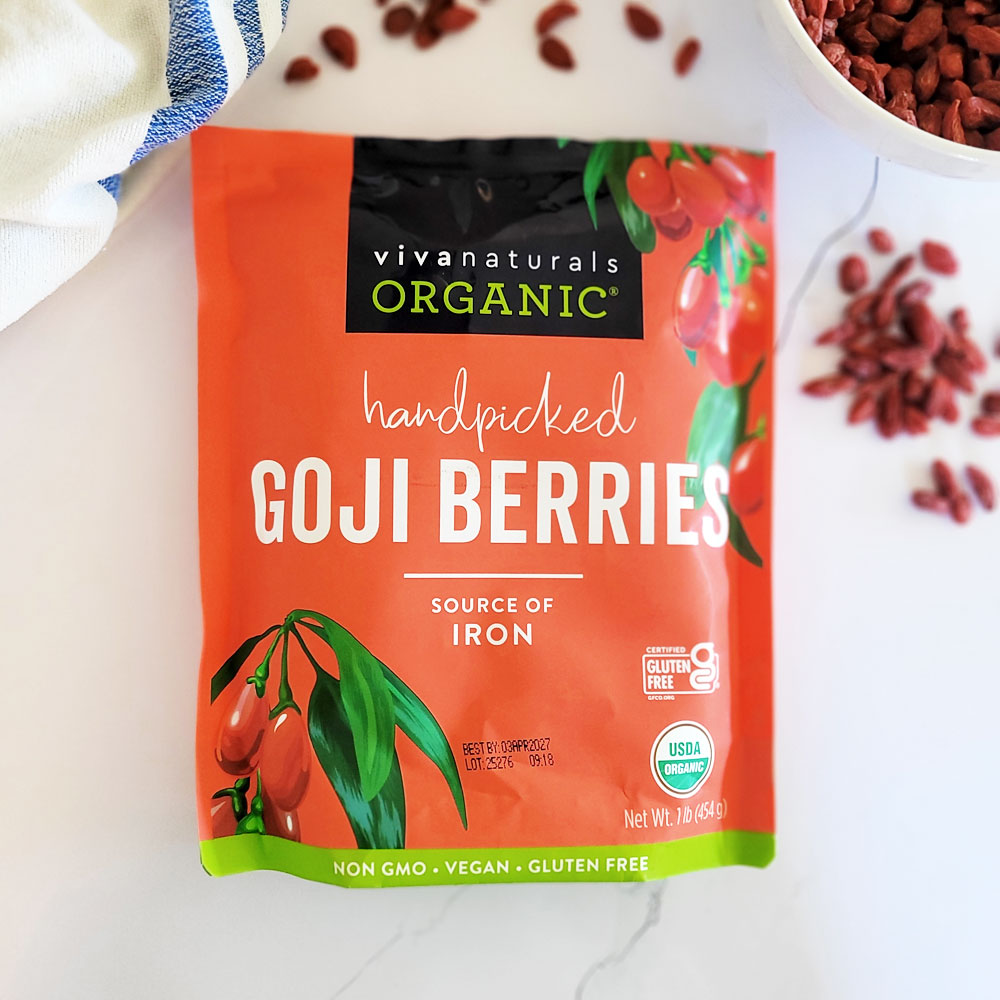
One of the easiest ways to get better cookies is by starting with fresh ingredients. Every so often, take a look through your pantry and check the dates on things like flour, baking powder, baking soda, spices, and other baking staples. Ingredients that have been sitting around for too long can lose their flavor and freshness, which can change how your cookies turn out.
2. Measure Ingredients Accurately
Baking cookies is all about the right balance of ingredients, so taking a little extra time to measure everything carefully can make a big difference. Too much flour can make cookies dry and too little can change the texture, which is why using proper measurements matters. Use measuring cups and spoons made for baking, and level off dry ingredients before adding them to your bowl. A kitchen scale can also be helpful for getting precise amounts, especially when working with flour.

3. Bring Ingredients to Room Temperature
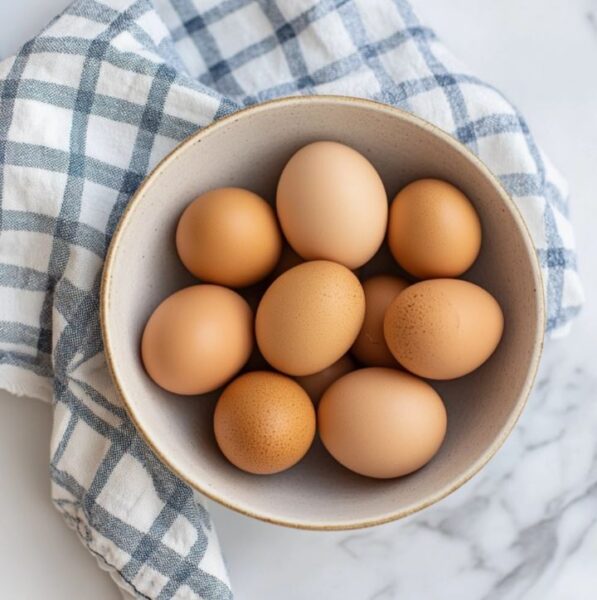
Taking the chill off your ingredients before baking can help your cookie dough come together better. Cold butter, eggs, and other ingredients can mix differently than ones that have had time to warm up a bit. Room temperature butter can cream more easily with sugar, while eggs blend more smoothly into the dough. When you want a soft cookie, like chewy raisin oatmeal cookies, then this is very important.
Read up on why room temperature butter is important for baking.
4. Chill the Dough
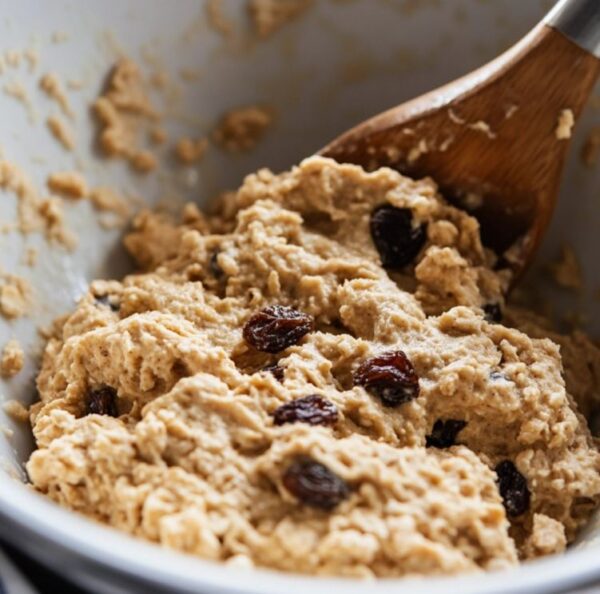
Giving your cookie dough some time to rest in the refrigerator is a simple step that can make a big difference in your final cookies. Chilling helps the butter firm back up, which can help the dough hold its shape as it bakes. It also gives the ingredients more time to blend together so that the flavors develop.
5. Use Parchment Paper
Lining your baking sheets with parchment paper prevents cookies from sticking. It also helps distribute heat evenly for perfectly baked cookies. Plus, it makes cleanup a breeze. I like to use natural, unbleached parchment paper.
6. Preheat the Oven
A fully heated oven is one of the easiest things to check before you start baking cookies. Giving your oven time to reach the right temperature helps the cookies bake evenly from the moment they go inside. An oven that is still warming up can change how the dough spreads and how the texture turns out.
7. Use the Right Baking Sheet
The baking sheet you use can make a difference in how your cookies bake. Light colored baking sheets are commonly used for cookies because they help promote even browning, while darker pans can absorb more heat and may change how quickly the bottoms bake cookies.
I also like to bake certain cookies on a pizza stone. I get really good chocolate cookies with these. The stone heats up super fast and I can usually reduce the baking time. These do take some experimenting because they retain the heat when doing several batches.

8. Use a Convection Oven Properly
If you have a convection oven, it can be a helpful tool when baking cookies because the fan circulates hot air around the oven. This moving air can help cookies bake more evenly, especially when making several batches. Since convection ovens can bake a little faster than traditional ovens, it is a good idea to check your cookies a few minutes earlier than the recipe time suggests. Once you get familiar with how your oven works, you can adjust the baking time and temperature to get the results you love.
9. Don’t Overmix the Dough
Once the dry ingredients have been added, mix the dough just until everything is combined. Mixing for too long can develop more gluten in the flour, which can change the texture of your cookies and make them less tender. It is completely normal to stop mixing when you no longer see streaks of flour.
10. Scoop Evenly
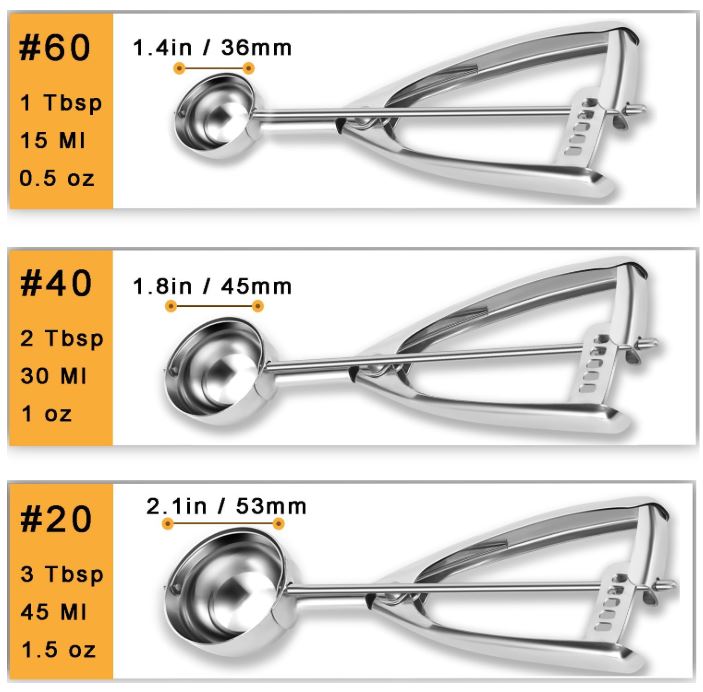
A cookie scoop like this set is one of those simple kitchen tools that can make baking a little easier. Scooping the same amount of dough each time helps your cookies bake at the same rate, so you are less likely to end up with some overbaked while others are still underdone. It also gives your cookies a more uniform size, which looks nice when serving or sharing them.
11. Bake in the Center of the Oven
The center rack is usually the best spot for baking cookies because the heat can circulate more evenly around the baking sheet. Placing your cookies too close to the top or bottom heating element may cause one side to bake faster than the other. If you are baking more than one tray at a time, rotating the pans halfway through the baking time can also help them brown more evenly.
12. Check Cookies Early
The last few minutes of baking can make a big difference in how your cookies turn out. Start taking a peek a little sooner than the recipe time so you can learn how your oven bakes and catch them at the right moment. Cookies can go from soft and tender to more baked through in just a short amount of time.
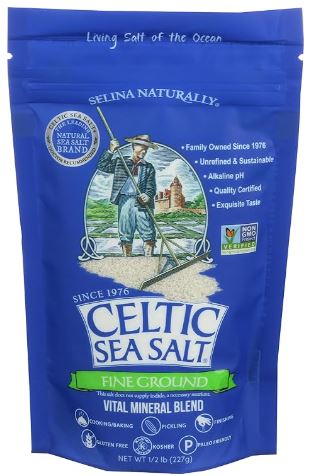
13. Add a Pinch of Salt
Salt may seem like a small ingredient, but it plays an important role in cookie recipes. A little bit helps balance the sweetness and allows the flavors of the butter, sugar, and other ingredients to stand out more. Even sweet treats benefit from a touch of salt because it creates a better balance in each bite.
14. Use A Cooling Rack
A cooling rack is a simple baking tool that helps your cookies cool the right way after they come out of the oven. Moving cookies from the hot baking sheet onto a rack allows air to circulate around them, which helps the bottoms stay at a nice texture. Leaving them on the pan too long can let the heat from the sheet continue baking them.
15. Experiment with Flavors
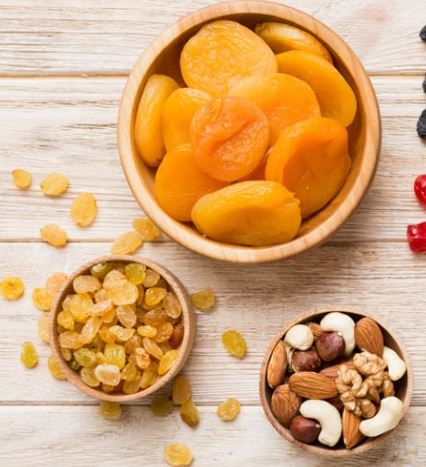
Try adding spices like cinnamon or extracts like almond to your dough. Small changes can create unique and delicious variations. Don’t be afraid to get creative with mix-ins like nuts or dried fruits, even if the recipe doesn’t call for them.
16. Let Butter and Sugar Cream Fully
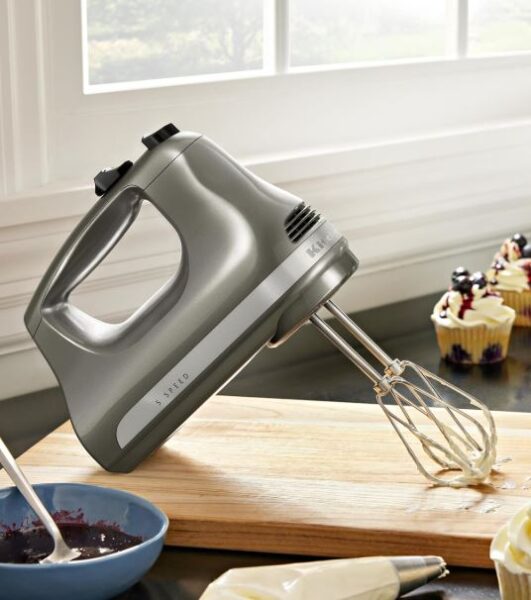
Creaming butter and sugar creates air pockets for lighter cookies. Mix until the texture is fluffy and the color lightens slightly. This step is key for cookies with a soft texture. I use a stand mixer for when I’m making lots of batches of cookies. And for a one time batch, I use a hand mixer for easy clean up.
17. Don’t Crowd the Baking Sheet
Leave enough space between cookies to allow for spreading. Overcrowding leads to uneven baking and misshapen cookies. Stick to one tray at a time if your oven can’t handle two evenly.
18. Store Cookies Properly
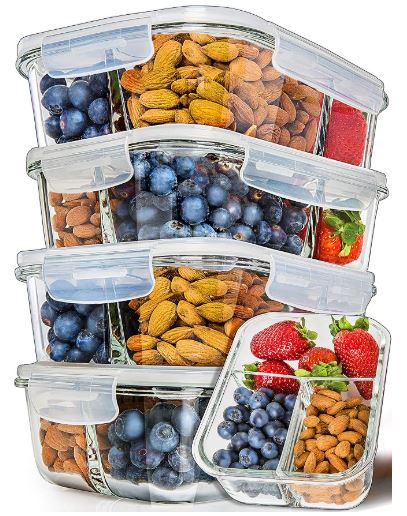
Once your cookies are baked and cooled, storing them the right way helps keep them tasting fresh. An airtight container is a great option because it helps maintain the texture and keeps cookies from drying out. If you are storing different types of cookies together, keep in mind that soft and crisp cookies can affect each other over time.
19. Adjust for Altitude
If you live at high altitude, you may need to tweak your recipe. Reduce sugar and baking powder slightly and increase liquid. These changes prevent cookies from spreading too much or turning out dry.
20. Use Quality Vanilla Extract
Vanilla is a small ingredient that adds a lot of flavor to cookies. Using a good quality vanilla like Native Vanilla extract can give your cookies a richer taste and help bring out the flavors of the other ingredients. Since many cookie recipes call for vanilla, it is worth keeping a bottle you love in your baking cabinet.

21. Use Brown Sugar for Chewier Cookies
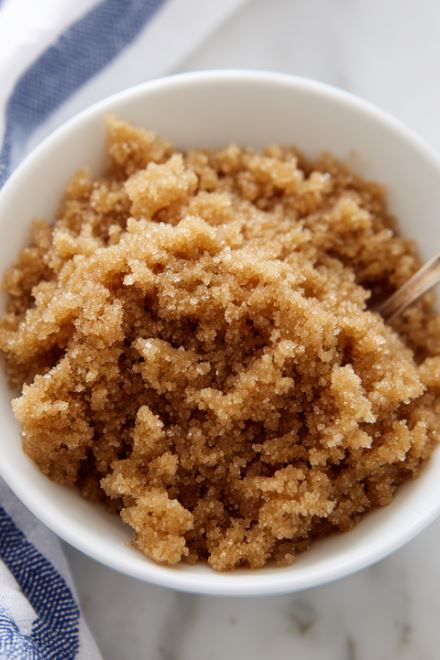
Brown sugar contains more moisture than white sugar, making cookies softer and chewier. For extra chewiness, consider using more brown sugar than white. Its molasses content also adds a richer flavor. I have a helpful blog post about how to keep brown sugar softer longer.
22. Let Dough Rest for Better Flavor
Letting the dough rest for several hours (or overnight) deepens the flavor. The resting period allows the flour to fully hydrate and the flavors to develop. This is especially helpful for recipes like chocolate chip cookies.
23. Use A Good Flooding Icing Recipe
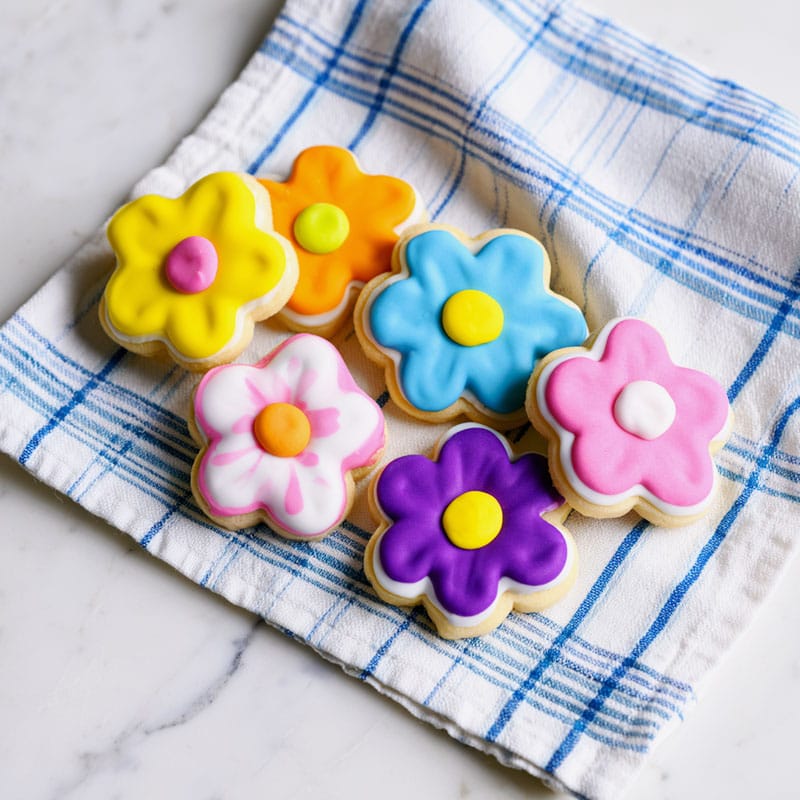
If you love decorating sugar cookies, having a good flooding icing recipe can make the process so much easier. The right consistency allows the icing to spread smoothly across the cookie while still creating a nice finish once it sets. A well made royal icing usually combines powdered sugar, egg whites or meringue powder, and liquid to create the texture needed for decorating.
I hope these cookie baking tips help you feel more confident the next time you are mixing up a batch. Little details like measuring carefully, using fresh ingredients, and paying attention during baking can make such a difference in how your cookies turn out. Baking cookies is all about learning what works best in your kitchen and having fun along the way. Let me know in the comments what your favorite cookie baking tip is or if you have a special trick you always use when making cookies!

More helpful articles