Best Grain Mills For Beginners
Grain mills are one of those kitchen tools that can make a big difference if you enjoy baking from scratch. With a good grain mill, you can turn whole wheat berries, oats, rice, or other grains into fresh flour right at home. Unlike store-bought flour, fresh flour keeps more of the natural oils and nutrients, which means better taste and more nutrition in your bread, pancakes, muffins, and other recipes.
There are a few types of grain mills you’ll come across like manual hand crank mills, electric mills, and even stone burr or impact mills. Each one works a little differently, but they all let you grind your own flour so you know exactly what’s going into your food.

I’ve always loved the idea of making flour at home! To help make the choice easier, I rounded up some of the best grain mills you can use at home. Each one has different features, like something simple for small baking days or a sturdy machine for big family batches. You’ll find a good fit here.
Why grain mills are becoming so popular
Grain mills have become popular in home kitchens because more people want to know exactly what goes into their food. Freshly milled flour keeps more of the nutrients and flavor that store bought flour often loses over time.
For many, it’s also about the joy of making something from scratch and having control over the texture and type of flour they use. From bread and pancakes to cookies and muffins, a grain mill lets you create flour that’s fresh, healthy, and made right in your own kitchen.
Best Grain Mills For Beginners
I rounded up some of the best grain mills to use at home, and I’m excited to share them with you. These are the ones I’d tell a friend about if we were sitting down over coffee and chatting about making fresh flour in the kitchen.
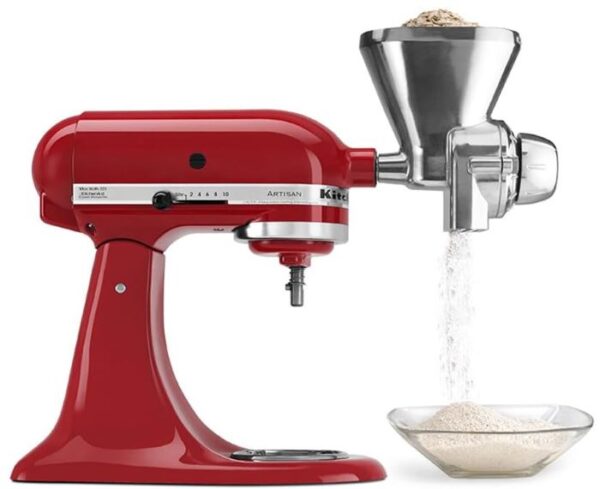
1. KitchenAid Metal Grain Mill
This is my top pick because it fits right onto your KitchenAid stand mixer, which means no extra counter space or separate appliance needed. It grinds grains smoothly and quickly, and you can adjust the coarseness for bread, pasta, or even cereal. I love that it uses the mixer you already have.
2. Stone Grain Mill Grinder
If you’re into rustic charm and a slower pace, this stone grain grinder is one to check out. It’s manual, so you get a good workout. I like the rustic feel of it, and it gives you complete control over the texture of your flour. It’s for small batches and adds that touch of tradition to your kitchen.
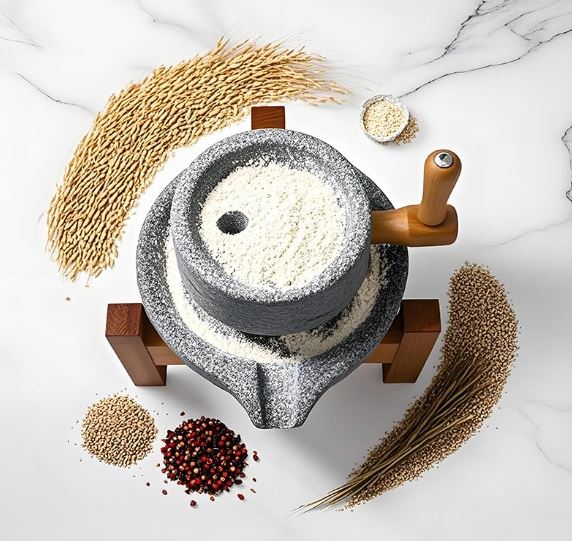
3. NutriMill High Speed Grain Mill
The NutriMill Grain Mill is super popular for a reason. It’s fast, powerful, and can handle a lot of grain at once, which is good if you bake often. Customers love that it’s easy to use and turns out fine, even flour. It’s got the impact milling heads so it gives you the really fine bread flour.
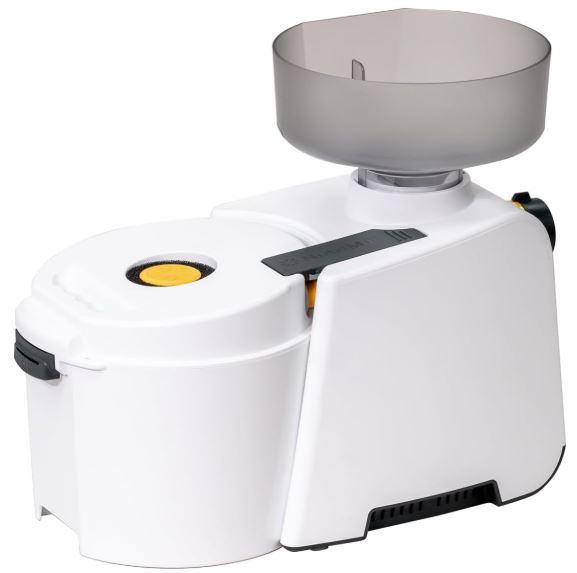
4. Lejeiyin Grain Grinder
For those who want an easy mill to use, this one is a good choice. It can handle grains, spices, herbs, and even coffee beans, which makes it a handy tool in the kitchen. Start with smaller amounts if you’re new to grinding so your food comes out just right.
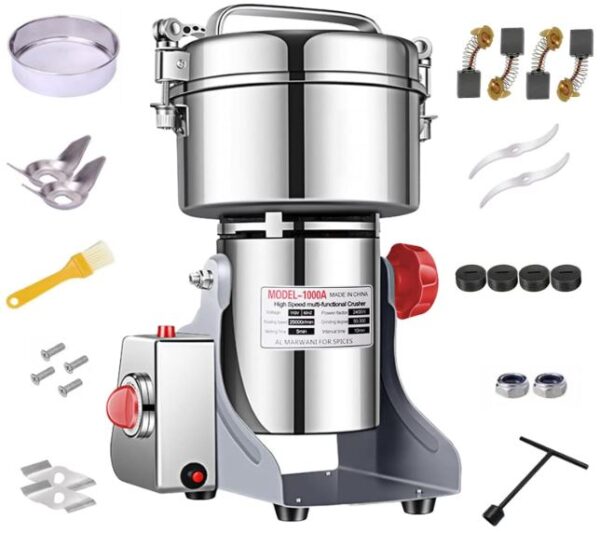
5. Wondermill Hand Mill
This hand crank mill can handle dry and oily grains. It does take a bit of work, but some people find the process relaxing. One tip is to tighten the clamp well before starting, so the mill doesn’t move around while you’re grinding.
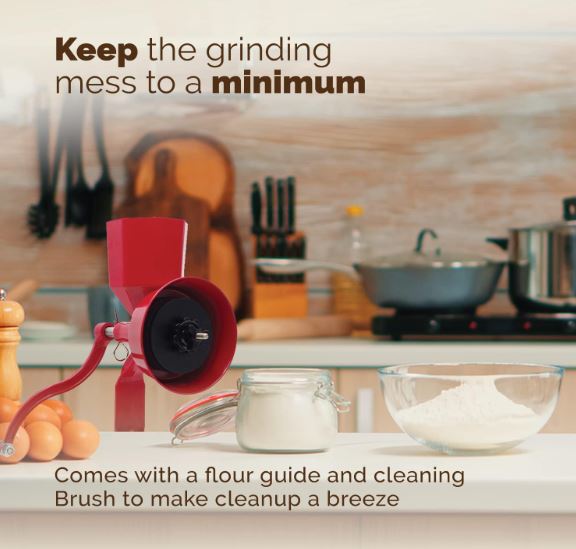
6. Naizea Electric Grain Mill
This machine is a real workhorse for big batches of grain. It makes grinding quick and smooth, which is nice if you are needing your own flower often, or have a small business. Start with small amounts of grains at first to get a feel for the speed and don’t overload the hopper.
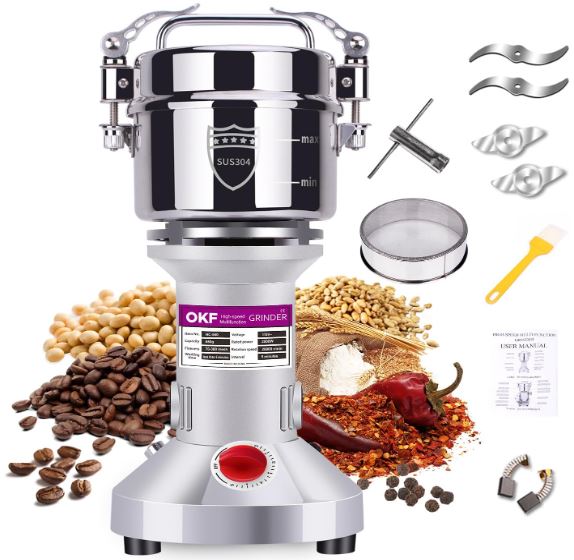
7. OKF Stainless Grain Mill
OKF Grain Mill is a budget-friendly grinder that makes fast work of grains, herbs, and spices. It’s simple to use and doesn’t take up much counter space. One tip is to clean it after every use to keep the flavor from mixing between batches. A good thing to have on hand is a brush for cleaning.
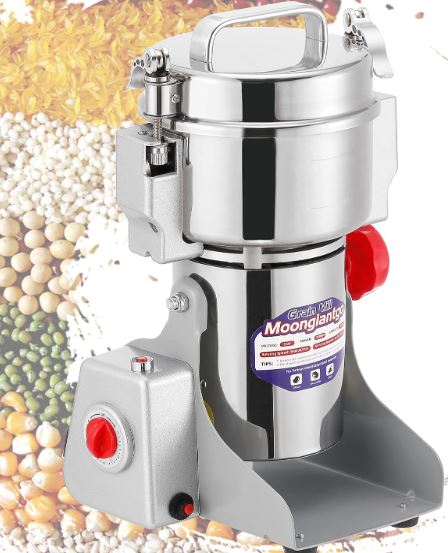
8. Moongiantgo 700g Grain Mill Grinder
This is a good beginner grinder if you want to try things out first. It’s easy to handle and works well for small batches. A tip is to pulse the machine instead of running it constantly so your grains grind evenly.
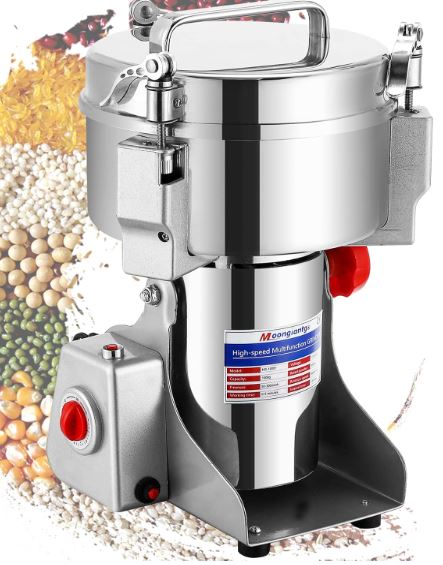
9. Moongiantgo 2500g Grain Mill Grinder
The upgraded version has a bigger motor and can take larger batches, which makes it great when your family eats a lot of fresh baked goods. You can grind different types of grains and still get a smooth flour. Don’t forget to clean the blades between uses so flavors don’t mix.
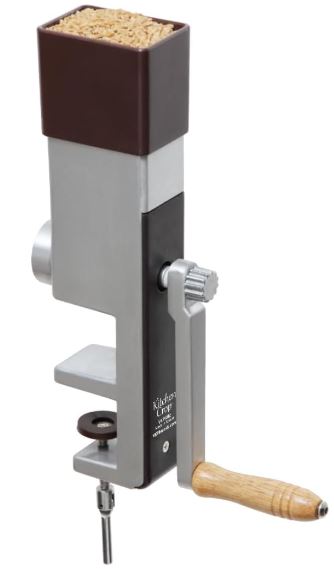
10. Kitchen Crop Hand Crank
This hand crank mill is strong and steady. You can adjust the grind so your flour is coarse or fine depending on the recipe. It’s easiest to grind slowly and steadily for even flour.
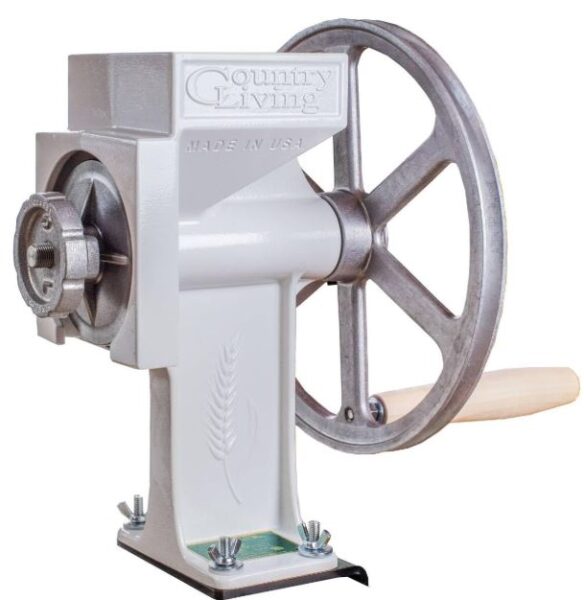
11. Country Living Grain Mill
The Country Living Grain Mill is very solid and built to last. It takes some work, but it can grind almost any grain into fresh flour. It feels like a real kitchen tool you’ll have for years. This one is the most expensive on the list but if you are homesteading, it might be exactly what you need because you don’t need power.
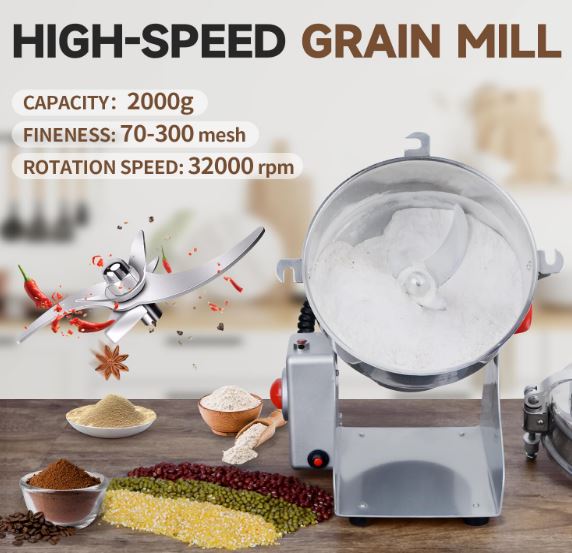
12. Goldtouch 2000g Grain Mill
This small but powerful grinder works great for grains, spices, and herbs. It’s easy to use and cleans up quickly, which makes it handy for everyday use. Just don’t overfill the chamber so your food grinds evenly.
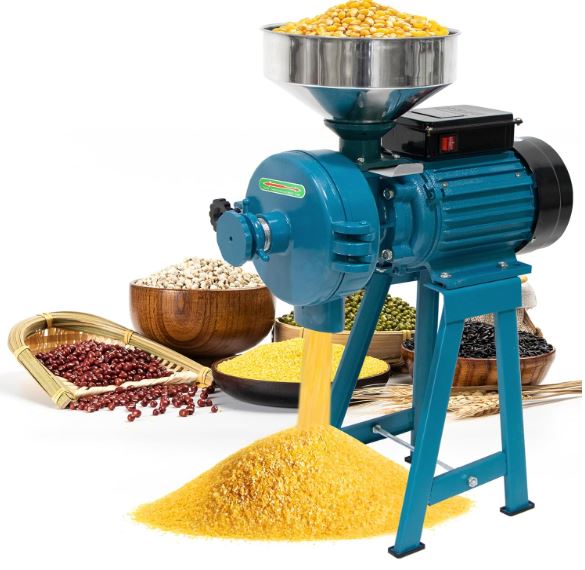
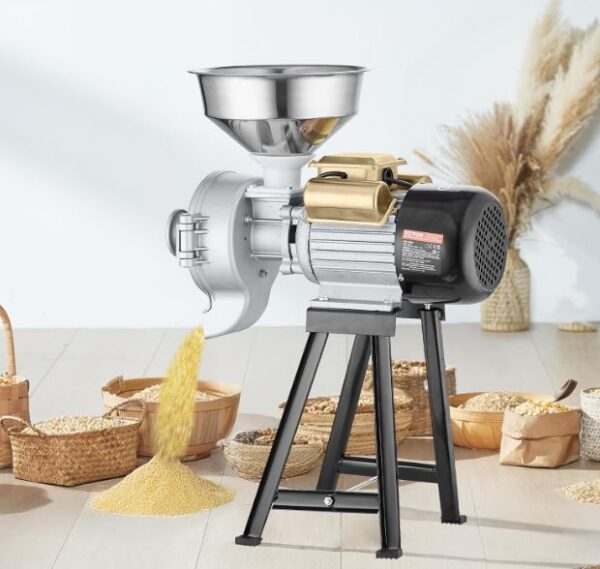
13. Vevor Wet & Dry Mill
Vevor is one of the top selling brands on Amazon for many different appliances and they also make a food mill. This grinder makes it easy to choose the thickness of your flour. It’s strong and can handle a lot at once, which is nice if you like making larger batches. Start with a coarser setting and adjust finer as needed.
Things to consider before buying a mill
Before you pick a grain mill, it helps to know what features make it easy to use for beginners. Some mills are simple and straightforward, while others have extra settings or options that can feel overwhelming at first. This list highlights the key things to look for so you can find a mill that’s practical, reliable, and a good fit for your kitchen and baking needs.
Simple To Use
For beginners, it’s important to choose a grain mill that’s simple to operate. Look for clear instructions and easy to turn handles or straightforward electric controls. You want a mill that lets you adjust the grind without guessing, so your flour comes out just how you need it.
Manual vs. Electric
Decide if a hand crank mill or an electric mill works best for your kitchen and baking style. Hand crank mills are great for small batches and give you a hands on feel, while electric mills save time and effort for larger amounts of flour. Knowing your needs will help you pick the right type.
Adjustable Coarseness
A beginner friendly mill should let you easily switch between fine, medium, or coarse flour. Being able to control the coarseness makes it fantastic for different recipes, from bread to pancakes. It’s also helpful for experimenting with different textures as you get more comfortable milling your own flour.
Durability
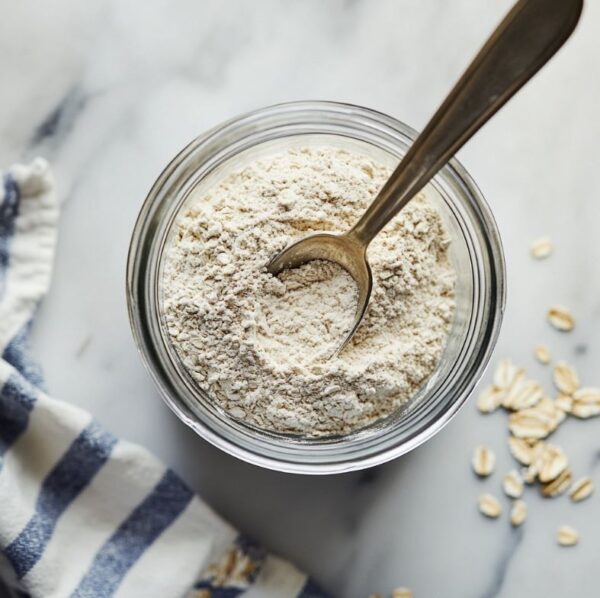
Choose a mill made with sturdy materials like stainless steel or stone. A durable mill stands up to regular use and will last for years, even if you start making flour more often as you bake.
Capacity
Consider how much flour you usually need in a batch. Some mills handle small amounts, while others can produce several cups at a time. Picking the right capacity helps you avoid overfilling or spending extra time milling in multiple rounds.
Cleaning and Maintenance
Look for a mill that’s easy to take apart and clean. Minimal fuss in cleaning will make you more likely to use it often and keep it in good condition.
Quiet Operation
Some mills are louder than others, so if noise is a concern in your kitchen, look for a quieter model. This makes milling more pleasant, especially if you’re baking early in the morning or with kids around.
Stay Within Your Budget
Beginners might want to start with an affordable option to see how they like milling their own flour. You can always invest in a higher-end mill later if you find it becomes a regular part of your baking routine.
A tip is to put the food mill in your shopping cart and leave it there for at least two weeks and check if it goes on sale! I’ve done that so many times and even got a fantastic deal when I bought a Cosori Dehydrator by doing this,
Most popular grains to mill at home
Now that you have chosen your grain mill, here are some popular grains to try at home. Grinding your own grains lets you enjoy fresh flour with better flavor and more nutrients than store bought options. From classic staples like wheat and oats to ancient grains and rye, there are plenty of choices to experiment with in your baking. Each grain brings its own taste, texture, and benefits, so you can mix and match to find what works best for you and your family.
Ancient Grains
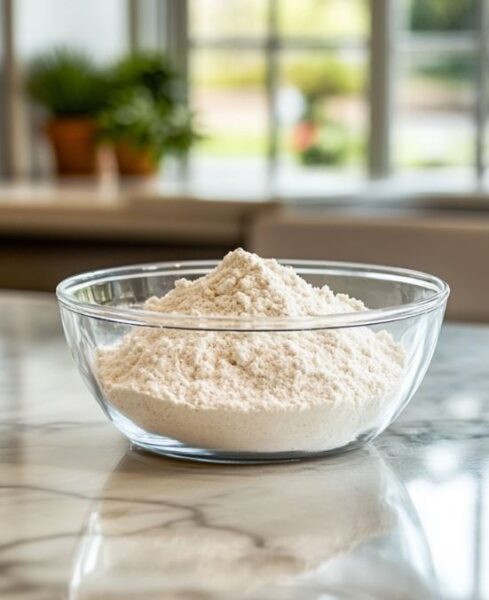
Ancient grains, like spelt, einkorn, and kamut, are gaining popularity in home kitchens. They offer unique flavors and extra nutrition compared to modern wheat. Milling ancient grains at home allows you to experiment with different textures and flavors in bread, muffins, pancakes, and other baked goods.
Freshly ground ancient grains keep their natural oils and vitamins, making them a healthy and flavorful choice for anyone looking to try something a little different in their baking.
Wheat
Wheat is the most popular grain to grind at home and is a staple for many bakers. Freshly milled wheat flour gives bread, muffins, pancakes, and pastries a rich, full flavor that you just don’t get from store-bought flour. You can choose from hard wheat for hearty breads or soft wheat for lighter baked goods. Grinding wheat at home also helps retain the natural nutrients and oils, making your baked goods healthier and more flavorful.
Oats
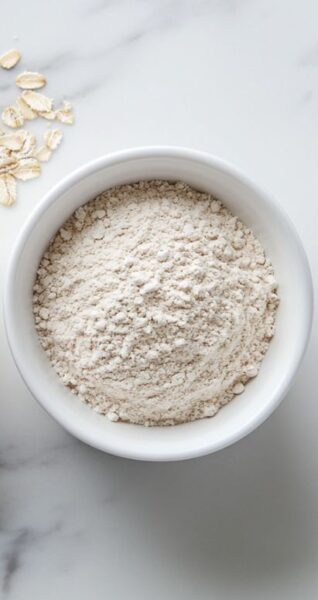
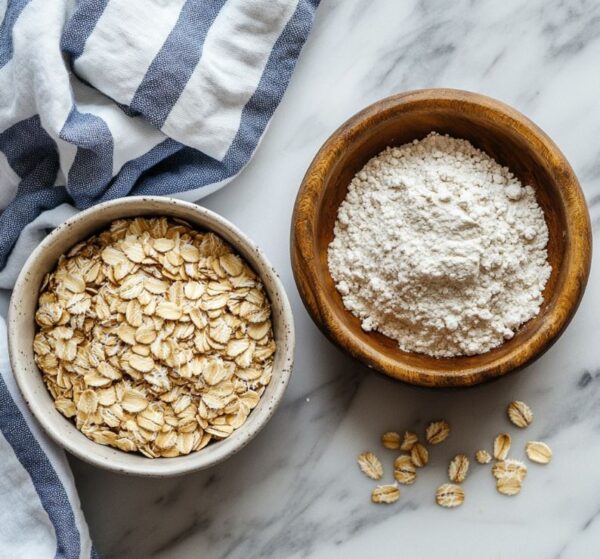
Oats are a favorite for many home bakers who want to add nutrition and texture to their recipes. Freshly ground oat flour works beautifully in cookies, muffins, pancakes, and even breakfast bars. Grinding oats at home ensures the flour is fresh and free from additives, and it can add a subtle, slightly sweet flavor to baked goods. It’s also a great option for gluten-friendly baking when combined with other flours.
I also have a handy recipe on how to make oat flour at home with a food processor.
Rice
Rice is commonly used in home milling, especially for gluten-free baking. Freshly ground rice flour has a neutral taste and smooth texture, making it versatile for breads, noodles, pancakes, and cakes. Grinding rice at home helps it stays fresh and lets you to adjust the texture from fine to slightly coarse depending on your recipe.
At Home Food Mill FAQ
How long does it take to grind grains at home?
The time depends on the type of mill and the grain you’re using. Manual hand-crank mills are slower and best for small batches, while electric mills can grind larger amounts in minutes. Harder grains like wheat or corn may take a little longer than softer grains like oats.
Can I use any type of grain in my mill?
Most home grain mills can handle common grains like wheat, oats, rice, corn, and rye. Some mills also work with ancient grains like spelt, einkorn, or kamut. Check your mill’s instructions to be sure it can handle harder or oilier grains safely.
Do I need to clean my mill after every use?
It’s a good idea to brush out leftover flour after each use to keep the mill in good condition and avoid mixing flavors between grains. Some mills can be disassembled for deeper cleaning, but always follow the manufacturer’s instructions.
Can I make gluten-free flour with a grain mill?
Yes! You can grind gluten-free grains like rice, millet, or buckwheat at home. Just make sure to clean your mill thoroughly if you also grind wheat or other gluten-containing grains to avoid cross-contamination.
How long does freshly milled flour last?
Freshly milled flour keeps best in a cool, dry place. Whole grain flour has natural oils that make it more perishable than store-bought flour. For longer storage, keep it in an airtight container in the fridge or freezer to maintain freshness and flavor.
Final Tips For Using A Food Mill
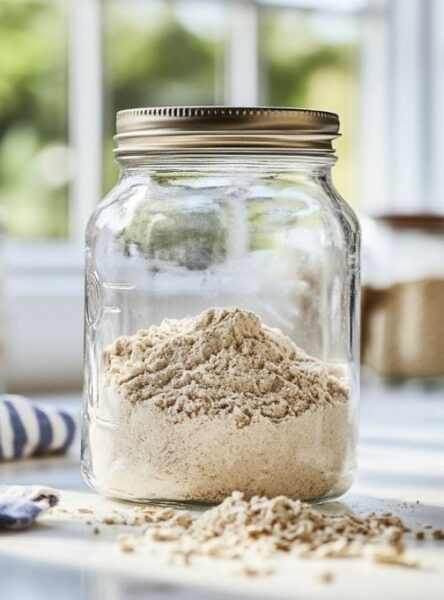
Before you start milling your own flour, a few simple tips can make the process smoother and help you get the best results. These little tricks make grinding grains easier, save time, and help your flour come out just the way you want it for all your recipes.
Tip 1: Start Small
When you first use your grain mill, start with a small batch of grains. This gives you a chance to get comfortable with how the mill works and lets you experiment with the grind settings without wasting a lot of flour. It also helps you see how long it takes to get the texture you like for bread, muffins, or pancakes.
Tip 2: Adjust the Grind Gradually
Take your time when adjusting the coarseness of your flour. Start with a coarser setting and grind a small amount, then make it finer if needed. This way you can find the perfect texture for your recipes without over-grinding and ending up with flour that’s too powdery or too dense.
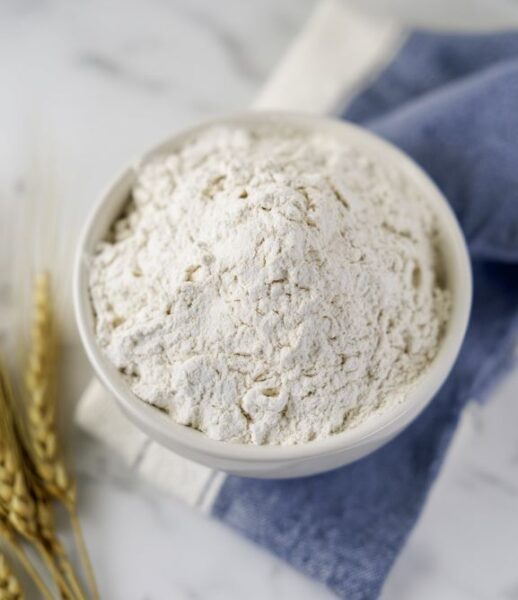
Tip 3: Keep Grains Dry
Make sure your grains are completely dry before putting them in the mill unless you get a dry/wet mill. Any moisture can make the flour clump or even clog your mill. Storing grains in a cool, dry spot also keeps them fresh and prevents them from molding, so your flour is always ready to use.
Tip 4: Clean Between Grains
If you switch from one type of grain to another, give your mill a quick brush or wipe. This is especially important if you move from a darker grain like rye to a lighter one like wheat. Cleaning between grains keeps the flavors separate, prevents contamination, and makes sure your next batch of flour tastes just right.
Tip 5: Don’t Overfill
Do not overload your grain mill. Filling it too full can slow down grinding and put extra strain on the machine. It’s better to work in smaller batches so the mill runs smoothly, lasts longer, and your flour comes out evenly ground every time.
That’s my roundup of the best grain mills for home use and everything you need to know to get started. Freshly milled flour is such a simple way to add flavor and nutrition to your baking, and with the right mill, it’s easier than you might think! I hope these tips and suggestions help you find a mill that fits your kitchen and your baking style.
Easy recipes and kitchen tips