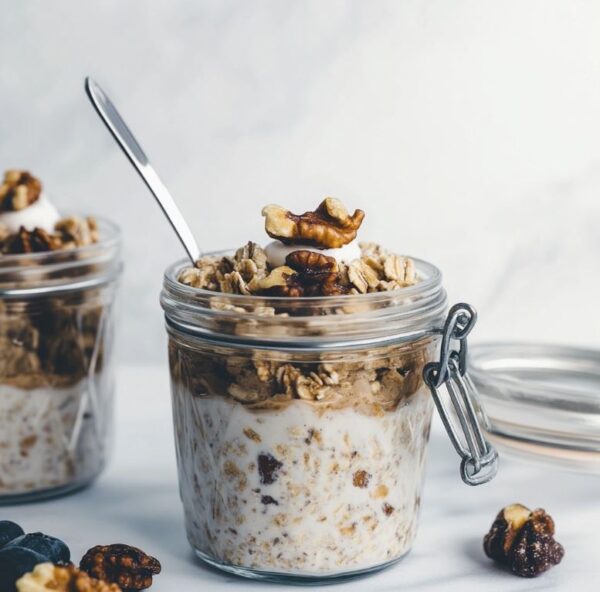
How To Stock And Organize A Pantry
Here are some tips on how to stock and organize your pantry and ways to organize it. Stocking a pantry makes everyday cooking feel simple and stress free. With the right pantry staples on hand, you can pull together quick meals, easy snacks, and last minute dinners without extra trips to the store. A well stocked pantry usually includes dry goods, canned items, baking basics, and a few favorite spices that add flavor to any dish. It also helps you save time and money since you already have what you need at home.
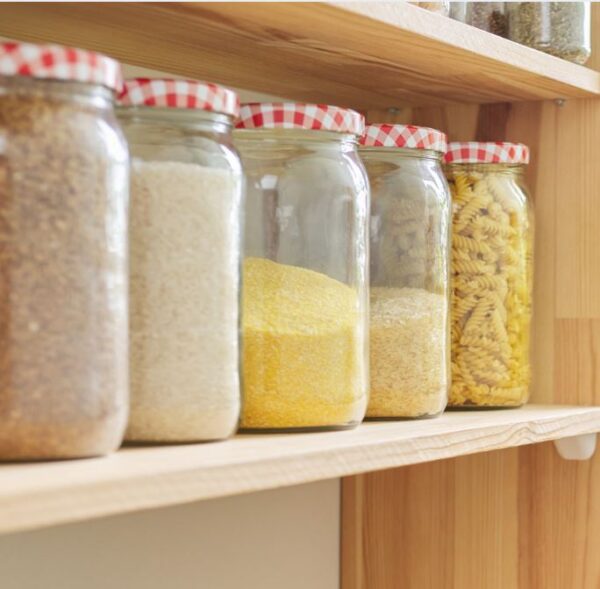
I know how busy life can get, and having a pantry that is ready to go makes such a difference on those long days. There is something comforting about opening the cupboard and knowing you can make something warm and filling without overthinking it. It takes a little time to set it up, but once you do, it makes daily meals feel easier and more enjoyable. If you have ever stood in your kitchen wondering what to cook, this is going to make things feel so much simpler.
How To Stock A Pantry And Keep It Organized
When I was taking inventory of my pantry, I realized how much easier life gets when I’m organized. I really do not like food waste and I get really annoyed with myself when I throw things out. Keeping organized with lists and having the basics on hand also means fewer last-minute trips to the store and more time to focus on cooking meals and enjoying them. Here’s how to stock it, so you’re always prepared for whatever the day brings.
1. Take Everything Out
Start by completely emptying your pantry. This lets you see everything you have and gives you a clean slate to work with. Use this time to wipe down shelves and remove any crumbs or spills.
2. Check Expiration Dates
Go through each item and check for expired food. Toss anything that is past its prime or no longer safe to eat. For items close to expiring, plan to use them in the next few meals to avoid waste. This step makes sure you’re only keeping what’s fresh and usable. Keep In mind that labelling food with dates is very important. A tip is to keep an erasable marker right on the shelf if you don’t have sticker labels.
3. Group Similar Items Together
Once you’ve sorted through everything, organize items into categories like canned goods, baking supplies, snacks, and spices. This helps you see what you have and makes it easier to find things later. Grouping similar items also highlights any duplicates or gaps in your pantry.
4. Decide What to Keep
Take a moment to decide which items should stay and which aren’t worth keeping. If you have unopened, non-expired items you won’t use, consider donating them to a local food bank. Keep only the foods you enjoy and use regularly to make your pantry more efficient. We all have things that we buy with good intentions of using, but never do!
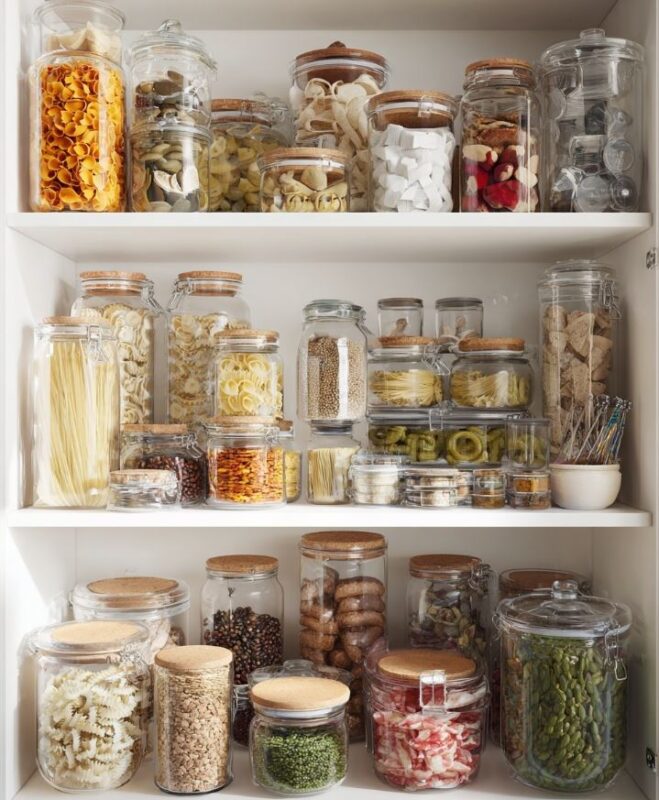
5. Clean and Organize Containers
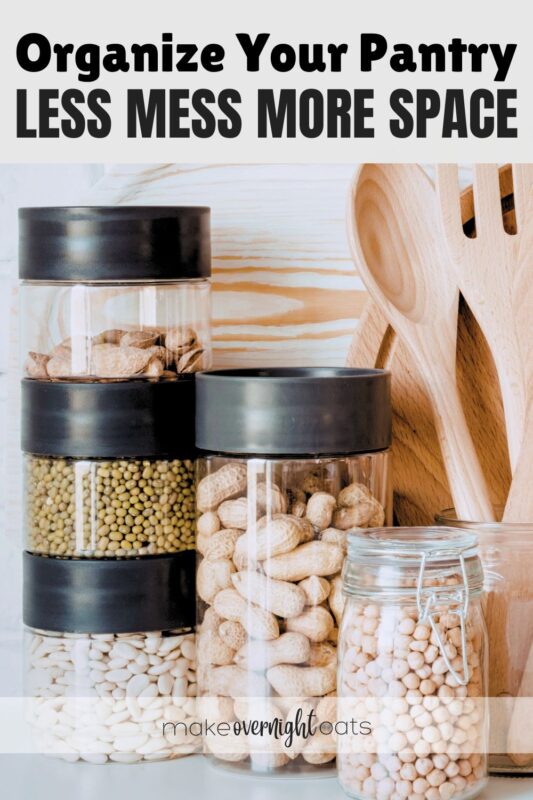
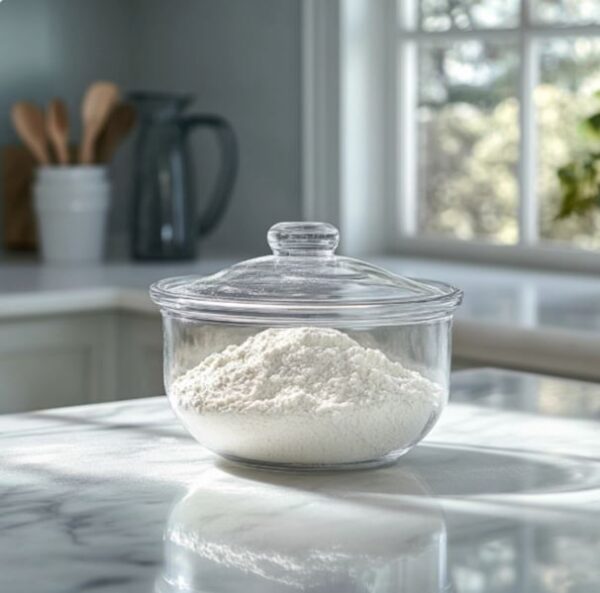
If you use jars, bins, or containers for dry goods, clean them before refilling. Make sure they’re airtight to keep food fresh longer. Clear glass containers are great for seeing what you have at a glance, making it easier to stop overbuying. At a glance you can see exactly what you have and how much.
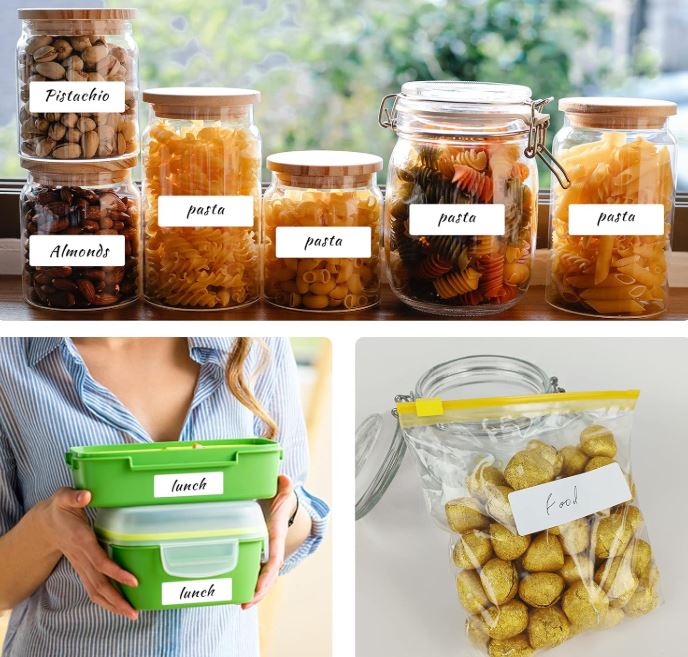
6. Label Everything
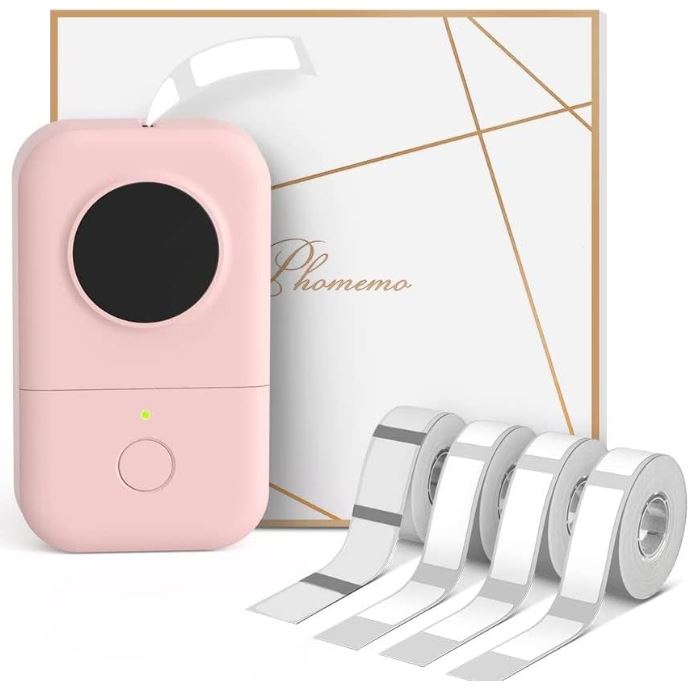
Use labels to identify what’s in each container or bin. This is especially important for items like flour, sugar, and grains, which can look similar. Labels help keep everything organized and make it easy for everyone in the household to find what they need.
7. Create a System for Storage
Designate specific areas for different categories of food. For example, snacks could go on one shelf, canned goods on another, and baking supplies in their own section. Having a clear system prevents clutter and makes it easier to restock when you run low.
8. Rotate Items Regularly
Place newer items at the back and older ones in the front to use them up first. This rotation system helps stop food from going to waste and keeps your pantry fresh. Make it a habit to check for expired items every few months.
9. Invest in Storage Shelves
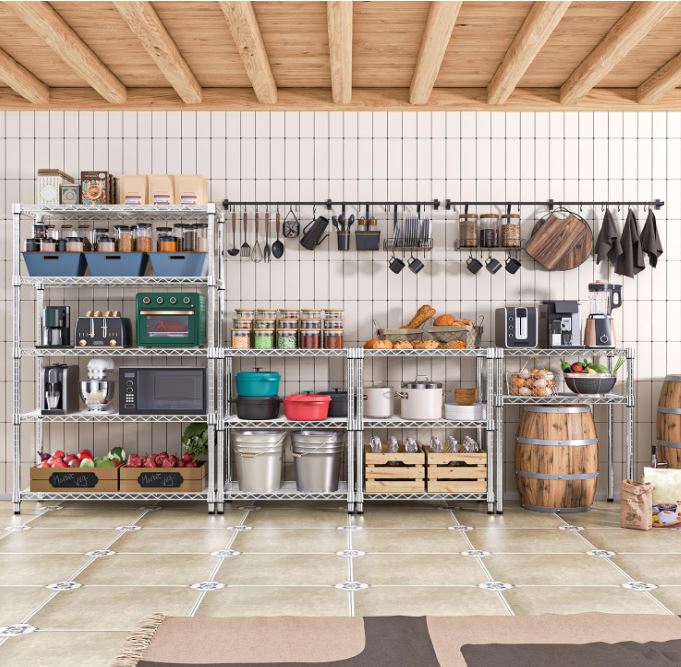
Add storage shelves to maximize your pantry space. These make it easier to see and access items, especially in small or crowded spaces. I like the shelves that are sturdy, like the ones people use in a garage. Keep in mind that food storage like canned jars can be very heavy when you have a lot of them. So make sure your shelves are very well secured to the wall and are heavy duty so they don’t collapse.
10. Make a Shopping List
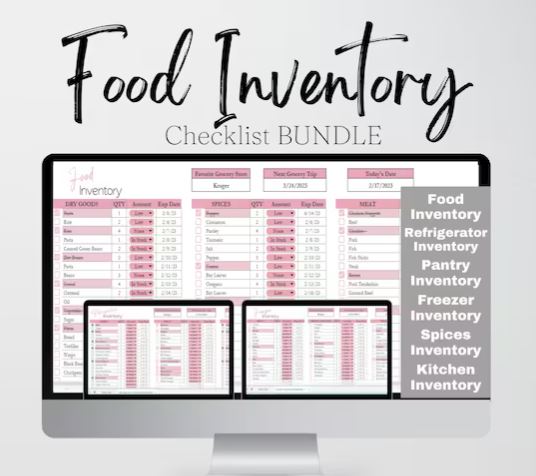
As you sort through your pantry, jot down items you’re missing or running low on. This helps you restock easily and helps that you are getting the things you need when you go grocery shopping. One way I like to do my lists is to use a spreadsheet on my tablet or computer. Most are editable so you can things to your food lists. This is great because you can also access them with your phone while shopping.
11. Keep the Basics Stocked
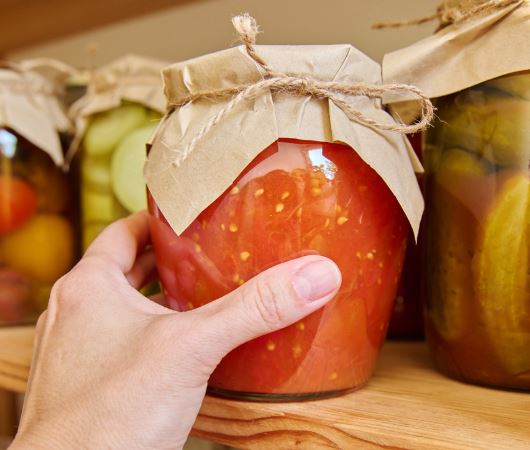
A well stocked pantry starts with the basics. Items like flour, sugar, rice, pasta, salt, and oils form the base of many recipes. I also like to keep my jams and jellies organized so I know what to start prepping for the next year. Have a selection of canned goods, such as beans, vegetables, and tomatoes, for quick and easy meal ideas for when you are super busy.
12. Include Long Lasting Foods
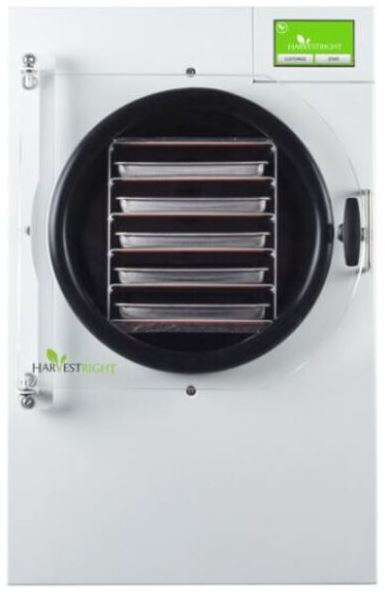
Stock up on non-perishable items that last a long time, such as dried beans, lentils, and powdered milk. These foods are excellent for emergencies and can be used in a variety of meals. Vacuum sealing or storing freeze dried foods in airtight containers can extend their shelf life even further. Don’t forget to include comfort items, like coffee or tea, to make your pantry feel complete.
13. Add Spices and Seasonings
Spices and seasonings are the key to flavorful meals, even when working with simple ingredients. Keep basics like salt, pepper, garlic powder, and paprika, along with your favorite herbs and spices. I like to buy bulk spices from Etsy and Amazon and then transfer them into jars. Getting spices out of the plastic packaging helps with organizing and they stack way better.
14. Plan for Emergencies
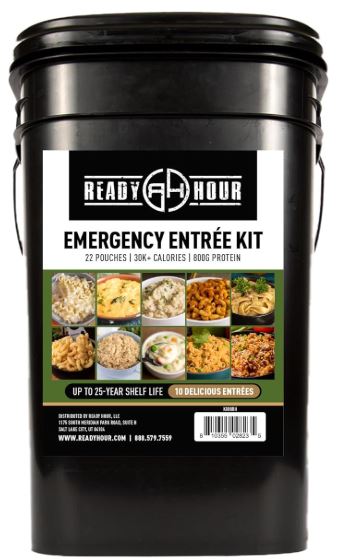
Prepare for unexpected situations by including shelf stable items like canned soups, dried fruits, and protein bars. Bottled water and extra snacks can also be useful during power outages or natural disasters. Aim to stock at least a week’s worth of food that doesn’t require refrigeration or special preparation. Regularly review your emergency supplies to make sure they’re up to date and ready when needed.
15. Pantry Organizing Ideas
- Clear Storage Containers
- Stackable Bins
- Lazy Susan
- Wire Baskets
- Shelf Dividers
- Over-the-Door Organizers
- Labels
Food Categories for a Well Stocked Pantry
Grains and Starches
- Rice
- Pasta
- Quinoa
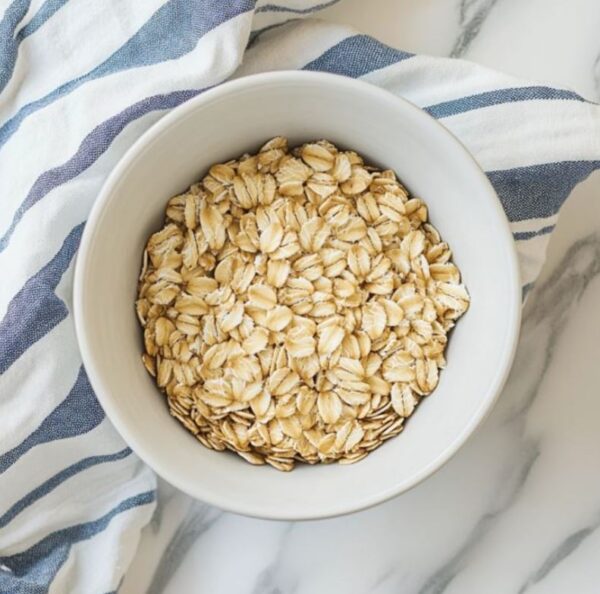
- Oats
- Couscous
- Barley
- Cornmeal
- Crackers
- Bread crumbs
- Instant noodles
Canned Goods
- Canned beans (black, kidney, chickpeas)
- Canned vegetables (corn, peas, green beans)
- Canned tomatoes (diced, crushed, paste)
- Canned soups or broths
- Canned fruits (peaches, pineapple)
- Tuna or other canned fish
- Canned chicken
- Jarred sauces (marinara, Alfredo)
- Peanut butter or nut butters
- Applesauce
Baking Supplies
- All-purpose flour
- Sugar (white, brown, powdered)
- Baking powder
- Baking soda
- Yeast
- Cornstarch
- Cocoa powder
- Salt
- Vanilla extract
- Chocolate chips
Snacks
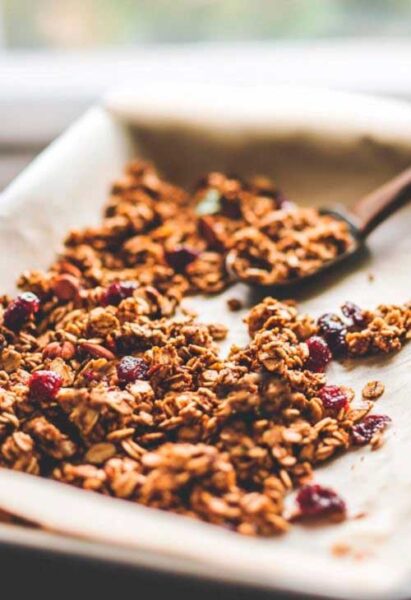
- Granola
- Popcorn kernels
- Pretzels
- Nuts (almonds, peanuts, walnuts)
- Dried fruits (raisins, apricots, cranberries)
- Crackers
- Rice cakes
- Trail mix
- Jerky
- Chips or veggie crisps
Spices and Seasonings
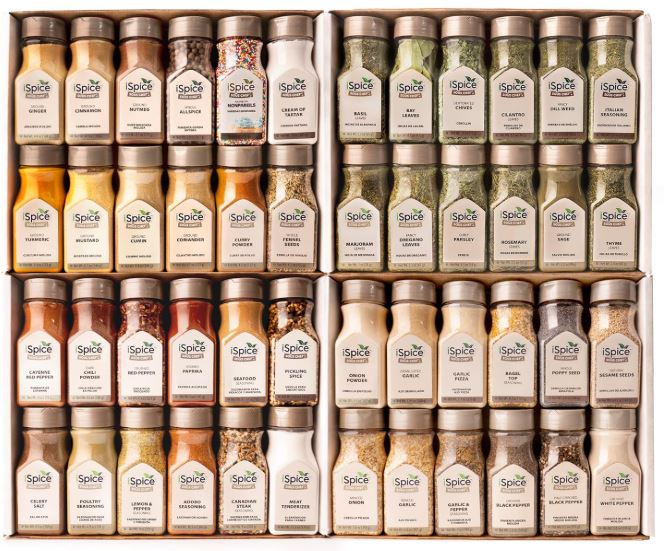
- Salt
- Pepper
- Garlic powder
- Onion powder
- Paprika
- Italian seasoning
- Cinnamon
- Chili powder
- Cumin
- Oregano
Condiments
- Olive oil
- Vegetable oil
- Vinegar (white, apple cider, balsamic)
- Soy sauce
- Hot sauce
- Mustard
- Ketchup
- Mayonnaise
- Honey
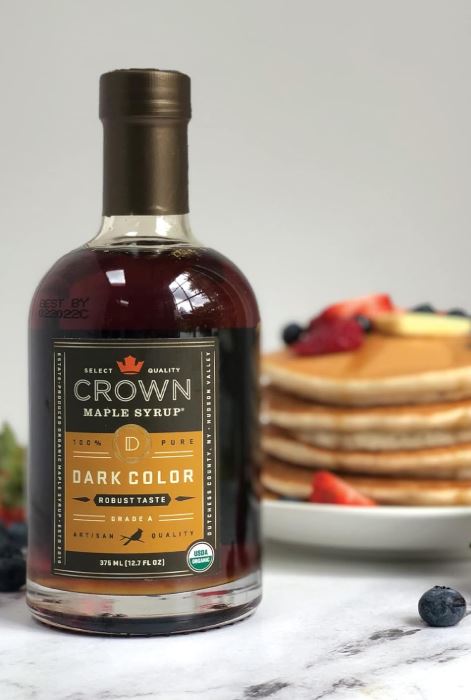
- Maple syrup
Here’s a list of the best maple syrup brands.
Proteins
- Lentils
- Dried beans (black, pinto, navy)
- Split peas
- Canned fish (tuna, salmon)
- Canned chicken
- Protein powder
- Peanut butter or almond butter
- Packaged nuts and seeds
- Powdered eggs
Dairy and Dairy Substitutes
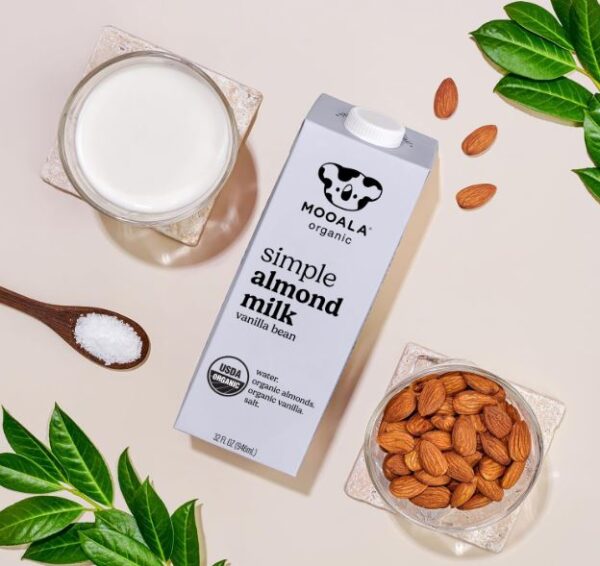
- Shelf-stable milk (dairy, almond, oat, or soy)
- Powdered milk
- Condensed milk
- Evaporated milk
Beverages
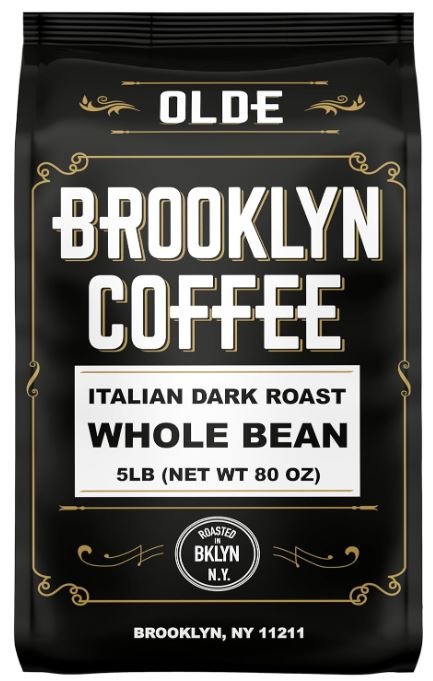
- Coffee
- Tea bags
- Hot cocoa mix
- Bottled water
- Sparkling water
- Juice boxes
- Powdered drink mixes
Emergency Foods
- Canned stews
- Protein bars
- Canned chili
- Dried pasta meals (mac & cheese kits)
- Shelf-stable soups
- Pouches of rice or grain mixes
- Freeze dried food
Thanks for reading! I hope these tips help you create a well-stocked pantry that makes cooking easier and more enjoyable.
More helpful articles
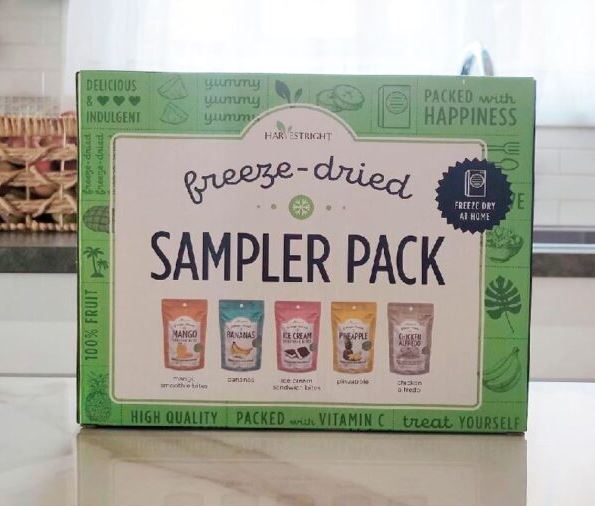
Here’s a video on the HarvestRight sample pack that’s fantastic to add to your panty storage.