How To Freeze Fresh Apricots
Here is how to freeze apricots step by step. Freezing apricots is one of the best ways to save fresh fruit for later, and it’s something many people look up when they’re in the middle of apricot season. If you’ve ever wondered how to freeze fresh apricots for smoothies, baking, or making jam, you’re in the right place.
A lot of people want to know if you can freeze apricots whole, if you should peel them first, or if frozen apricots work well for pies and desserts. This guide is all about answering those common questions and showing you how easy it is to preserve apricots in the freezer so you can enjoy them long after harvest time.
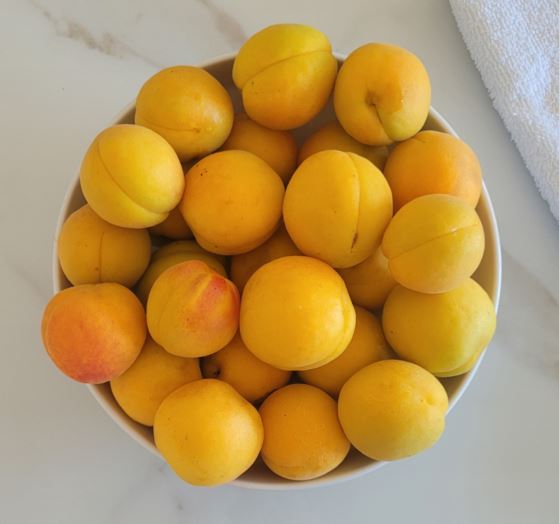
This year I ended up with a huge amount of apricots, and I didn’t want any of them to go to waste. I love using apricots for baking and snacking, so freezing them is the perfect way to make sure I have plenty for later. I’ll walk you through the steps I’m using to get mine ready for the freezer, and I think you’ll find it really simple once you try it yourself.
How To Freeze Apricots
1. Wash the apricots
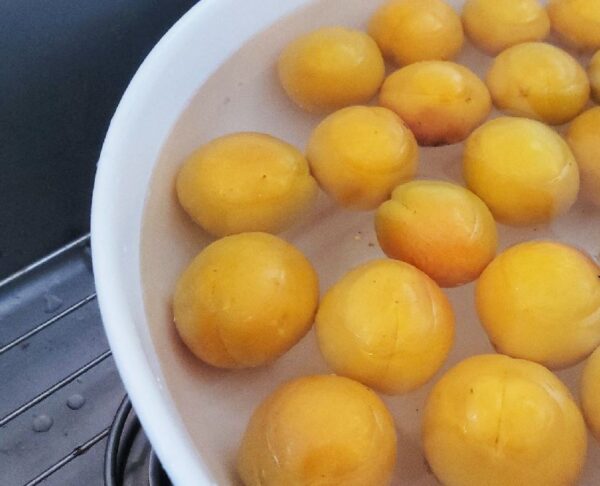
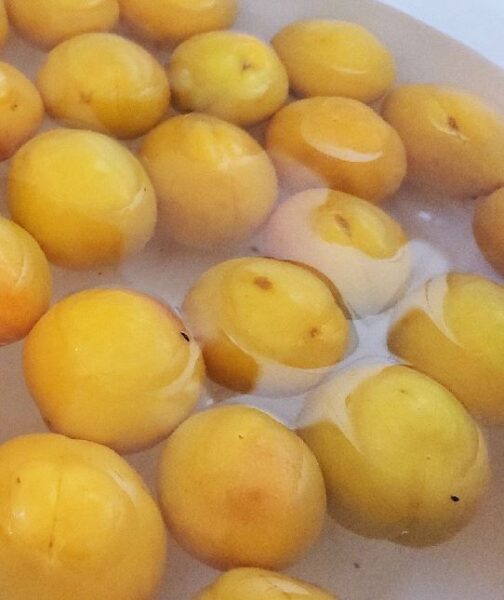
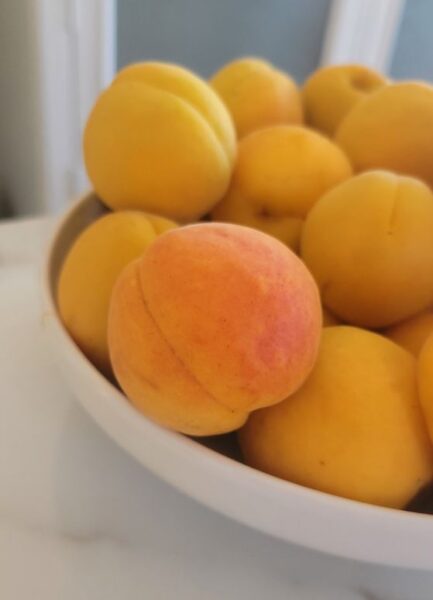
Start by giving your apricots a good rinse. Apricots can collect dust, dirt, or even a bit of pesticide residue if they’re store bought. I like to put mine in a large bowl with cold water and rub them gently so you the skin doesn’t get bruised. Washing is important because once the apricots are frozen, you won’t be able to clean them later. Make sure to check each one and remove any stems or leaves that may still be attached.
2. Let them completely dry
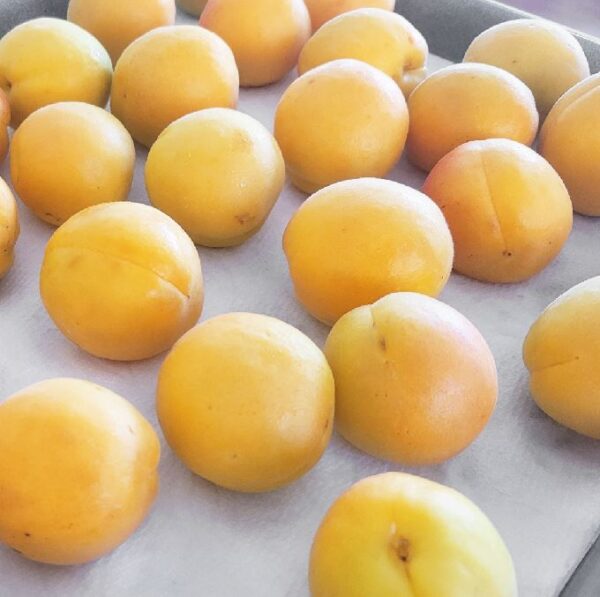
After washing, place the apricots on a clean towel or paper towels to dry. Then let them sit out for a while until every bit of surface moisture has evaporated. This step is easy to rush, but don’t skip it. If your apricots go into the freezer even a little damp, they’ll form ice crystals and get freezer burn more quickly. The drier the fruit is, the better it will keep its texture and taste once thawed.
3. Remove the pits
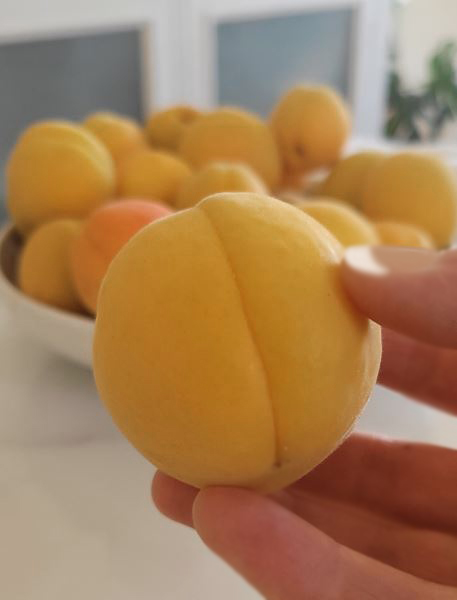
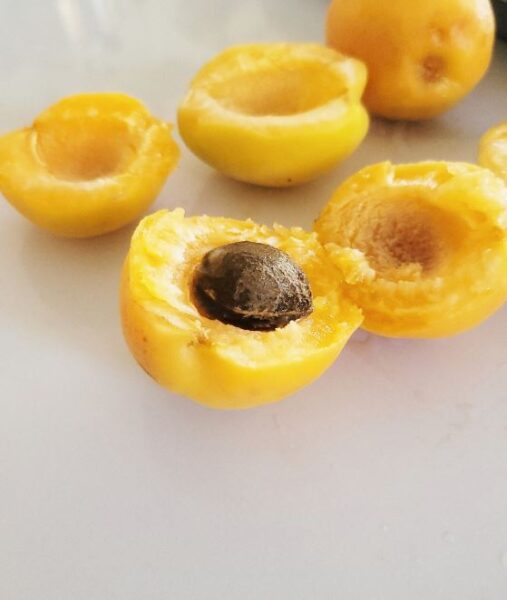
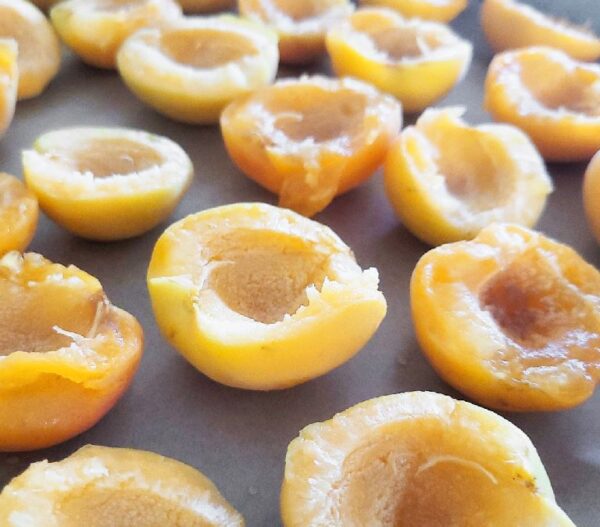
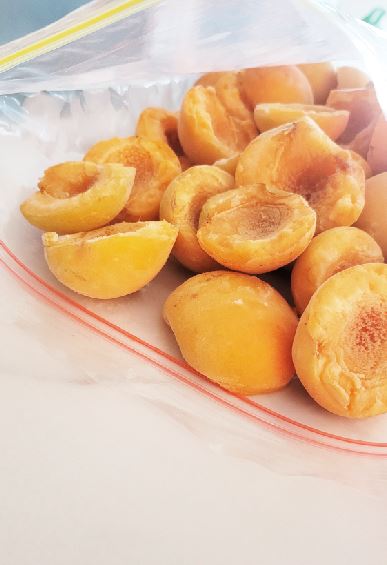
Cut or pull each apricot in half and pull out the pit. Apricots separate easily, so this part doesn’t take long. Once the pit is out, you can leave the apricot halves as they are or cut them into smaller slices if you know you’ll want bite-sized pieces later for smoothies, baking, or snacks. Removing the pits is important because they can cause the fruit to break down faster and they take up extra space you don’t need in the freezer.
4. Arrange on a tray
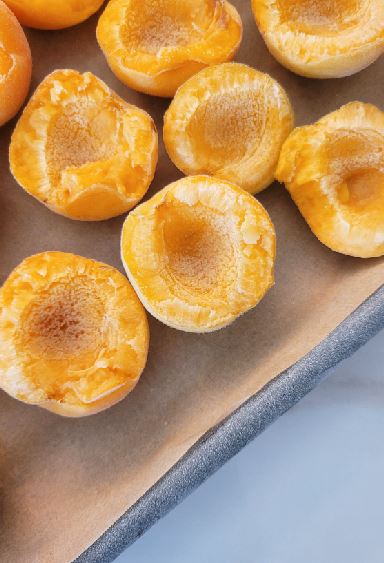
Line a baking tray with parchment paper and spread the apricot halves or slices in a single layer. Make sure the pieces aren’t touching too much. This keeps the apricots from sticking together in one big frozen lump. When you freeze them separately first, it’s easy to take out just the amount you need later instead of having to defrost the whole batch at once.
5. Freeze and store
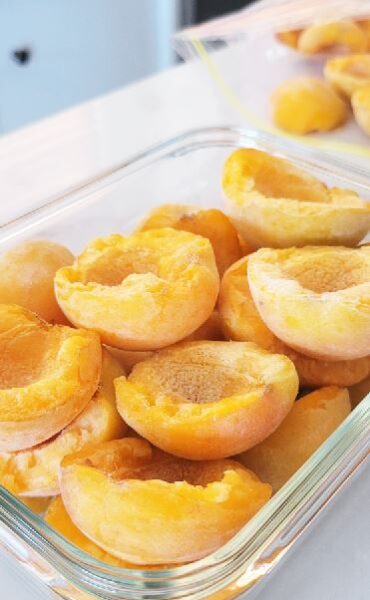
Place the tray in the freezer and leave it for several hours or overnight until the apricots are frozen solid. Once they’re firm, transfer them into freezer safe bags or airtight containers. Squeeze out as much air as possible before sealing to help prevent freezer burn. Label the bag or container with the date so you’ll know how long they’ve been stored. Frozen apricots will keep their best quality for about 10–12 months, though they can be safe to eat even longer.
Equipment Needed To Freeze Apricots
Large bowl for washing your fresh apricots and rinsing off any dirt or garden debris.
Colander or strainer helps drain water quickly after washing your apricots.
Paper towels for patting the apricots dry before freezing, which helps prevent ice crystals.
Baking sheet or tray to spread the apricots out in a single layer for flash freezing.
Natural Parchment paper optional, but great for keeping apricots from sticking to the tray while freezing.
Freezer-safe bags or containers to store your apricots long-term in the freezer. Make sure they seal tightly to prevent freezer burn.
Permanent marker for labeling your bags or containers with the date so you know how long the apricots have been frozen.
Best Tips For Freezing Apricots
Use lemon juice or ascorbic acid to prevent browning
If you are worried about your apricots turning brown then you can use some lemon juice. I personally never do this but go ahead if you want to! Tossing the slices in a little lemon juice or a small amount of ascorbic acid helps preserve their bright color and fresh taste. This is especially helpful if you’re planning to use the apricots in baked goods or desserts where color matters.
Freeze in portion-sized amounts
Instead of freezing all your apricots in one large container, divide them into smaller bags or containers. This way, you can grab just what you need for smoothies, baking, or snacks without thawing a huge batch. Portioning also makes it easier to measure for recipes and reduces waste.
Use real honey or maple syrup for sweeter fruit
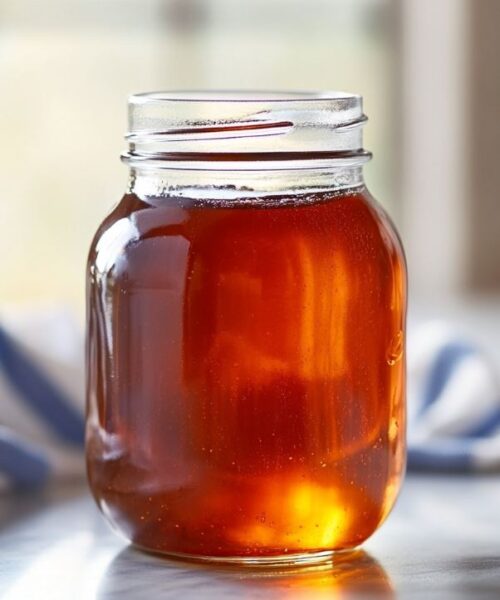
If your apricots are a little tart, you can toss them with some honey or maple syrup after they thaw. This adds sweetness and helps keep the fruit juicy. It’s perfect for apricots you plan to use in desserts or compotes later on.
I have a super helpful article about the best maple syrup brands to use. And if you are using honey, there are a ton of amazing seller on Etsy who sell real honey.
Label with the date and intended use
Always label your freezer containers with both the date and a note about how you plan to use them—smoothies, baking, or jam. Over time, it’s easy to forget how long the apricots have been in the freezer or what recipe they were meant for. A quick label keeps everything organized and reduces the chance of throwing out fruit that’s still good.
Use frozen apricots creatively
Frozen apricots don’t have to be just for smoothies or baked goods. You can blend them into sauces, stir them into yogurt, or cook them down for jams and compotes. Thawed apricots are also great for topping pancakes, oatmeal recipes, or even making a quick fruit syrup. Thinking ahead about how you’ll use them helps you get the most out of your frozen harvest.
Freezing Apricots FAQ
Do you have to peel apricots before freezing?
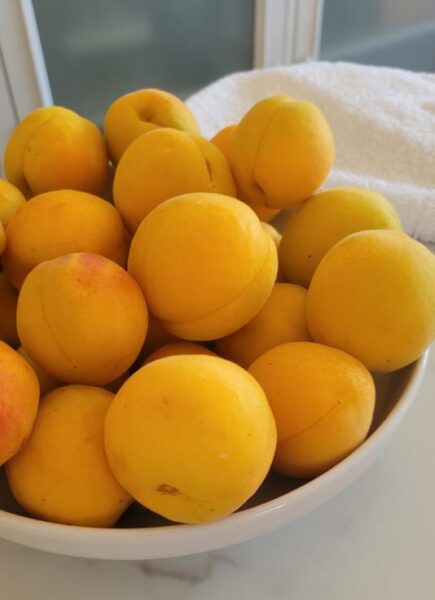
No, you don’t have to peel apricots before freezing. The skins are thin and freeze well, so they’re fine to leave on. If you prefer a smoother texture for recipes like jam or sauces, you can blanch and peel them first, but it’s not required.
How long do frozen apricots last in the freezer?
Frozen apricots will keep for about 12 months when stored in an airtight, freezer-safe container or bag. Be sure to label your container with the date so you know when you packed them.
Can you freeze apricots without sugar?
Yes, you can freeze apricots without sugar. Some people like to coat them lightly in sugar or syrup to help preserve color and texture, but it’s not necessary. Freezing them plain works well if you want to use them in baking, smoothies, or cooking later.
Do I need to remove the skins?
No, you do not need to remove the skins when freezing apricots.
Do frozen apricots need to be thawed before using?
It depends on how you’re using them. For smoothies or blended drinks, you can use them straight from the freezer. For baking or cooking, it helps to thaw them first and drain off any extra liquid to keep your recipe from getting too watery.
What’s the best way to use frozen apricots?
Frozen apricots are great for smoothies, cobblers, crisps, sauces, and baking recipes. You can also thaw them slightly and use them in oatmeal or yogurt. Keep in mind that the texture will be softer than fresh, so they’re best for cooked or blended recipes.
How To Freeze Fresh Apricots
Here are the step by step instructions on how to freeze apricots.
Ingredients
1+ pounds fresh apricots (as many as you like)
Directions
- Wash the apricots: Start by giving your apricots a good rinse under cool running water. Apricots can collect dust, dirt, or even a bit of pesticide residue if they’re store bought. Rub them gently with your hands as you wash so you don’t bruise the skin. Washing is important because once the apricots are frozen, you won’t be able to clean them later. Make sure to check each one and remove any stems or leaves that may still be attached.
- Let them completely dry: After washing, place the apricots on a clean towel or paper towels to dry. Then let them sit out for a while until every bit of surface moisture has evaporated. This step is easy to rush, but don’t skip it. If your apricots go into the freezer even a little damp, they’ll form ice crystals and get freezer burn more quickly. The drier the fruit is, the better it will keep its texture and taste once thawed.
- Remove the pits: Cut each apricot in half and pull out the pit. Apricots separate easily, so this part doesn’t take long. Once the pit is out, you can leave the apricot halves as they are or cut them into smaller slices if you know you’ll want bite-sized pieces later for smoothies, baking, or snacks. Removing the pits is important because they can cause the fruit to break down faster and they take up extra space you don’t need in the freezer.
- Arrange on a tray: Line a baking tray with parchment paper and spread the apricot halves or slices in a single layer. Make sure the pieces aren’t touching too much. This keeps the apricots from sticking together in one big frozen lump. When you freeze them separately first, it’s easy to take out just the amount you need later instead of having to defrost the whole batch at once.
- Freeze and store: Place the tray in the freezer and leave it for several hours or overnight until the apricots are frozen solid. Once they’re firm, transfer them into freezer safe bags or airtight containers. Squeeze out as much air as possible before sealing to help prevent freezer burn. Label the bag with the date so you’ll know how long they’ve been stored. Frozen apricots will keep their best quality for about 10–12 months, though they can be safe to eat even longer.
Favorite Kitchen Equipment
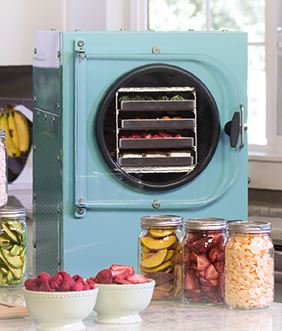
 At Home Freeze DryersCheck Best Price
- Ninja MixerVisit Nijna Store
- Cuisinart Air FryerCheck Price Here
Recipe Video
Notes
- From smoothies to baked goods, frozen apricots add that bright, fresh flavor even in the middle of winter. Freezing apricots only takes a few simple steps, and it’s one of the best ways to preserve them.
Like this recipe?
Follow @MakeOvernightOats on Pinterest
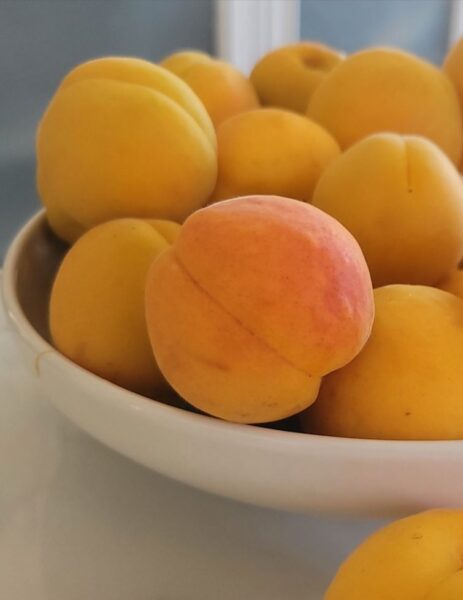
Learning how to freeze apricots at home is a great way to cut down on waste and make sure you always have fruit ready for your favorite recipes. From smoothies to baked goods, frozen apricots add that bright, fresh flavor even in the middle of winter. Freezing apricots only takes a few simple steps, and it’s one of the best ways to preserve them.
I’ll be stocking my freezer this year with plenty of apricots so I can enjoy them in muffins, cobblers, and quick snacks. If you try freezing apricots too, I’d love to hear how you use them. Share your frozen apricot recipes and ideas in the comments so we can all get inspired!
More Tips On Preserving Food